How to Propagate Malabar nut?
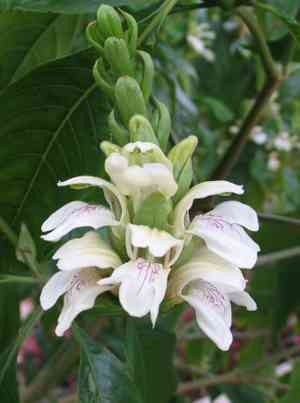
Malabar nut can be successfully multiplied using stem sections. For best outcomes, choose robust, non-blooming stalks. Sever a segment of the stem approximately 4-6 inches in length, making sure it contains multiple leaf junctions. Remove the bottom leaves and immerse the severed tip in rooting compound to stimulate root formation. Insert the cutting into a potting blend that drains efficiently, keeping it damp until roots are firmly established. This technique offers a fairly rapid and dependable means of propagation, ideal for enlarging plant assortments or substituting mature specimens.
Optimal Time for Malabar Nut Propagation
Propagation Method
Cuttings
Propagation Period
Spring,Summer
Tools Required for Malabar Nut Propagation
Sharp Pruning Shears
Precise pruning shears are crucial for taking malabar nut cuttings. They ensure a clean, accurate cut, minimizing harm to the parent plant and the cutting. A clean cut improves the cutting's ability to form new roots, which is vital for successful propagation.
Rooting Hormone
Rooting hormone, either powder or gel, encourages root growth when applied to the base of malabar nut cuttings. This substance significantly boosts the likelihood of successful rooting, essential for cuttings that might otherwise struggle to establish roots independently.
Sterile Potting Mix
A sterile potting mix offers a clean, disease-free environment for malabar nut cuttings to root. This reduces the risk of soil-borne illnesses affecting new roots and helps ensure the plant's overall health during critical root development stages.
Humidity Dome or Plastic Bag
A humidity dome or clear plastic bag can cover the malabar nut cutting's potting area, maintaining high humidity levels. This mimics a greenhouse, preventing cuttings from drying out before they can develop roots.
Heat Mat
A heat mat can be placed beneath the rooting container to maintain an ideal and consistent soil temperature, enhancing the malabar nut rooting process. Warmth at the root zone stimulates faster root growth, crucial for successful cutting establishment.
Watering Can with a Fine Rose
A watering can with a fine rose attachment provides gentle watering that won't disturb newly planted malabar nut cuttings. Even water distribution ensures cuttings remain adequately moist without becoming waterlogged, which is vital for root development.
How to Propagate Malabar Nut?
Propagation Difficulty
Moderately Difficult
Caring for Your Newly Propagated Malabar Nut
Caring for Your Newly Propagated Malabar Nut
Post-propagation, malabar nut requires ongoing care for healthy growth. Gradually introduce young plants to more direct sunlight and begin fertilizing with a balanced, water-soluble fertilizer every 4-6 weeks. As the plant matures, regular pruning will promote bushier growth and maintain its shape. Ensure the potting mix remains free-draining to prevent root rot. Monitoring for pests and diseases, such as aphids and powdery mildew, will keep the plant healthy and vigorous.
Common Errors to Avoid When Propagating Malabar Nut
Insufficient cutting size
Using cuttings that are too short often leads to rooting failure. Malabar nut cuttings need adequate length and several nodes for successful rooting and growth.
Overwatering
While propagation requires moist conditions, excessive water can cause root rot. This is particularly harmful for malabar nut, as it can hinder new root establishment, leading to cutting decay.
Using old wood
Propagating malabar nut from old or woody stems often results in low germination rates. This material has lower hormonal activity needed for root initiation, crucial for new malabar nut plant growth.
Ignoring humidity
Low humidity levels can cause malabar nut cuttings to lose moisture too quickly, leading to dehydration before they can establish roots. Maintaining appropriate humidity is vital for successful propagation.
Tips For Propagating Malabar Nut
Appropriate cutting length
Ensure cuttings are about 4-6 inches long with multiple nodes. This provides a good balance between leaf area and root development potential, optimal for malabar nut.
Humidity control
Maintain high humidity around the propagation area using a humidity dome or frequent misting. This helps prevent malabar nut cuttings from dehydrating before they root.
Use fresh stems
Select green, non-woody stems for propagation. These are more likely to root as they contain higher concentrations of growth hormones, essential for initiating root development in malabar nut.
Moderate watering
Water the soil just enough to keep it moist but not waterlogged. Overwatering can cause root rot, a common issue in rooting malabar nut cuttings.



