How to Propagate Sword-leaved rush?
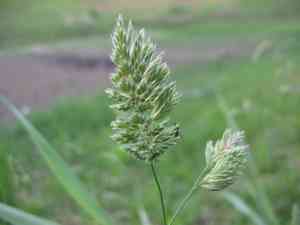
Sword-leaved rush flourishes when multiplied via the technique of separation. For effective propagation, split the root ball during the plant's period of vigorous development. Gently detach the roots to preserve their structure and promptly re-establish them to reduce root desiccation. Verify that each new segment possesses adequate roots and foliage for autonomous development. Consistent irrigation will aid in the establishment of the divisions, while preventing excessively waterlogged environments, which sword-leaved rush dislikes.
Optimal Time for Sword-leaved Rush Propagation
Propagation Method
Separation
Propagation Period
Spring,Autumn
Tools for Sword-leaved Rush Propagation
Garden Spade or Shovel
A garden spade or shovel is vital for excavating around sword-leaved rush, particularly when performing division, a common propagation technique for this species. Its sharp edge and sturdy handle enable precise and efficient cutting through soil and roots, minimizing plant damage.
Root Pruning Shears
Root pruning shears are essential for making clean, precise cuts through sword-leaved rush's roots during division. This tool ensures a neat cut, which is crucial for promoting rapid recovery and reducing plant stress. It minimizes the risk of root diseases that can arise from jagged or torn edges.
Garden Fork
Used to gently lift sword-leaved rush from the ground, a garden fork minimizes root system damage during division. It aids in loosening soil and untangling roots without significant disruption, preserving plant health.
Watering Can with a Fine Rose
Following division, sword-leaved rush requires gentle watering to help alleviate transplant shock and re-establish in its new location. A watering can with a fine rose attachment provides soft, even water distribution, ensuring the plant isn't overwhelmed and the soil is adequately moistened without causing erosion or displacement.
Gardening Gloves
Handling sword-leaved rush during division can be tricky due to its structural characteristics. Gardening gloves protect the gardener's hands from cuts or scrapes and offer a better grip on the plant and tools, ensuring a safer and more effective propagation process.
How to Propagate Sword-leaved Rush?
Propagation Type
Simple
Caring for Your Newly Propagated Sword-leaved Rush
Caring for Your Newly Propagated Sword-leaved Rush
Post-propagation, it's crucial to maintain consistent moisture levels for sword-leaved rush, especially during the initial weeks to aid root establishment. Mulch around the plant's base can help retain moisture. Be wary of overwatering, which could lead to root rot. During the growing season, if the climate isn't naturally moist, additional watering may be necessary to mimic its natural boggy habitat.
Common Mistakes to Avoid When Propagating Sword-leaved Rush
Overwatering
Excessive moisture can cause root rot in sword-leaved rush, as this species naturally thrives in well-draining conditions. Root rot can significantly impede the plant's growth and decrease propagation success.
Using non-aerated soil
Sword-leaved rush needs loose and airy soil to facilitate proper root growth and water drainage. Compacted soil can hinder root expansion and negatively impact the health and establishment of new plants.
Ignoring plant division size
When propagating sword-leaved rush via division, using very small clumps or divisions can result in weaker plants less likely to survive the transition. Optimal division size is crucial for ensuring vigor and resilience in newly propagated plants.
Tips For Propagating Sword-leaved Rush
Maintain moisture balance
While sword-leaved rush thrives in moist conditions, striking a balance is important. Ensure the soil is consistently damp but not waterlogged to support healthy growth without risking root diseases.
Use sharp tools for division
When dividing sword-leaved rush, use sharp, clean tools for precise cuts. This helps prevent root damage and reduces the risk of disease transmission, promoting a healthier start for new plants.
Opt for a sandy loam soil
A sandy loam soil mixture is ideal for sword-leaved rush as it ensures adequate drainage and aeration, essential for robust root development and overall plant health.



