How to Propagate Common rush?
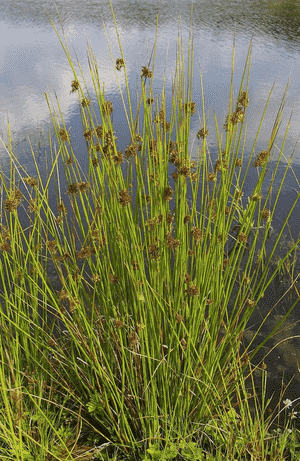
Juncus effusus multiplies most effectively via separation, preferably during the spring or fall seasons. Its propagation presents a moderate level of challenge. The emergence of fresh shoots and more robust root structures signifies successful multiplication. When dividing, guarantee ample room for the best possible development.
Optimal Period for Common Rush Propagation
Propagation Method
Division
Propagation Season
Spring, Autumn
Tools Required for Common Rush Propagation
Garden shovel or spade
Primarily used for digging around common rush to lift the entire plant from the ground with minimal root damage. Its broad, flat surface helps slice through soil and pry plants up while keeping a substantial root ball intact.
Sharp knife or pruning shears
These tools are vital for making clean cuts through common rush roots during division. Clean cuts prevent root damage, encouraging faster recovery and reducing infection risk. Pruning shears are good for fibrous roots, while a sharp knife offers precision for thinner ones.
Gardening gloves
They protect hands from sharp plant edges and soil irritants when handling common rush. Gloves also improve grip when separating plant sections, ensuring safety and precision during the process.
Plant pots or trays with drainage
These containers house each common rush section after division. Good drainage is crucial to prevent waterlogging, which can cause root rot. Pot size should comfortably fit the root ball, allowing for growth.
Potting mix or soil
A high-quality potting mix offers the right balance of aeration, moisture retention, and nutrients, all essential for common rush's successful establishment after division. The soil should be pathogen-free and ideally suited to common rush's growth needs.
Watering can or hose with a gentle nozzle
After common rush is divided and planted, gentle watering is needed to settle the soil and remove air pockets around the roots. The gentle nozzle ensures the water stream doesn't disturb roots or compact the soil excessively.
How to Propagate Common Rush
Propagation Method
Division
Difficulty Level
Easy
Caring for Newly Propagated Common Rush
Caring for Newly Propagated Common Rush
After propagating common rush, maintain consistent soil moisture. Common rush naturally thrives in wet areas, preferring damp conditions. Typically, no extra fertilizer is needed. Shield new plantings from extreme temperatures and drying winds until they are well-established. Keep the area around common rush weed-free during establishment. As the plant is adapted to a wet environment, overwatering is less of a concern than underwatering, but avoid standing water, which can lead to root rot. Monitor for pests or diseases, though common rush generally has no serious issues.
Common Errors to Avoid When Propagating Common Rush
Insufficient or excessive watering
When propagating common rush, a frequent error is either overwatering or underwatering, which can either drown the roots or dry them out. This leads to root rot or dehydration, hindering root formation and growth.
Inappropriate soil selection
Choosing the wrong soil medium can be detrimental when propagating common rush. A soil that is too dense may retain excessive moisture, leading to root rot, while a too-sandy medium might not provide enough water retention for root establishment.
Ignoring humidity requirements
Common rush thrives in humid environments, and failing to maintain proper humidity can cause plant cuttings to dry out before rooting, ultimately reducing propagation success rates.
Rough handling
Being too rough when dividing common rush can damage rhizomes and existing root systems, causing plant stress that can impede its ability to establish new growth.
Excessive fertilization
Over-fertilizing common rush during early propagation stages can lead to 'fertilizer burn,' damaging delicate new roots and potentially resulting in plant death.
Tips for Propagating Common Rush
Water management
Carefully manage water levels when propagating common rush to ensure the soil is consistently moist, but not waterlogged, to promote healthy root development without the risk of root rot.
Soil type
Select a soil mix for common rush that drains well, yet retains adequate moisture. The ideal mix should mimic the plantâs natural boggy habitat, being fertile and slightly acidic.
Humidity control
Maintaining high humidity is crucial when propagating common rush. Consider using a humidity dome or plastic bag to cover the plant's environment to reduce water loss and support root development.
Gentle division
When dividing common rush, do so gently to avoid causing undue stress or damage to the rhizomes. Carefully tease the plants apart and handle them delicately to facilitate successful propagation.
Minimal fertilization
Fertilize common rush sparingly and only after new growth has been established. A diluted solution will provide nutrients without overwhelming young roots and potentially damaging new shoots.



