How to Propagate Black walnut?
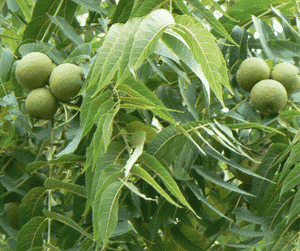
The reproduction of black walnut can be achieved via hardwood cuttings, air layering, or planting seeds in the fall or winter. The process of propagation can be challenging, demanding meticulous care and optimal environmental factors. Successful propagation is indicated by the emergence of fresh roots and new growth. Essential advice involves maintaining damp soil and ensuring adequate water runoff.
Optimal Time for Black Walnut Propagation
Propagation Method
Cutting
Propagation Period
Autumn,Winter
Tools for Black Walnut Propagation
Sharp Pruning Shears
Used for taking cuttings from black walnut, sharp pruning shears create clean cuts that heal quickly, minimizing disease risk. These shears effectively cut through black walnut's hardwood, aiding in viable cutting creation without harming the parent plant.
Rooting Hormone
This compound encourages root growth in black walnut cuttings. Dipping cutting ends into rooting hormone boosts the likelihood of successful root initiation and development, vital for black walnut, a species often difficult to root.
Sterile Potting Mix
A soilless, sterile potting mix offers a clean growing medium, reducing the chance of soil-borne pathogens affecting black walnut cuttings. The mix's texture supports aeration and drainage, key for the delicate rooting process of cuttings.
Humidity Dome
This device helps maintain high humidity around black walnut cuttings, crucial for preventing drying out while roots form. The stable environment provided by a humidity dome significantly aids in the successful establishment of cuttings.
Heat Mat
Used to raise soil temperature, a heat mat improves rooting conditions for black walnut cuttings. As black walnut cuttings may benefit from a warm base temperature to stimulate root growth, a heat mat is important in cooler climates or settings.
Plant Tags and Labeling Marker
These items are important for organizing and identifying black walnut cuttings, especially when propagating multiple varieties or species simultaneously. Proper labeling ensures accurate monitoring and care during the propagation process.
Caring for Newly Propagated Black Walnut
Caring for Newly Propagated Black Walnut
After successful black walnut propagation, provide saplings with ample sunlight, moist but well-drained soil, and protection from strong winds. Keep the soil consistently moist during the initial growing season. Black walnut are sensitive to competition, so ensure weed control around the base. Adjust fertilization based on soil test results and apply organic mulch to aid in moisture retention.
Common Errors to Avoid When Propagating Black Walnut
Insufficient stratification
Neglecting the cold stratification process for black walnut's seeds may lead to poor germination rates because black walnut seeds require a period of cold temperature to break dormancy.
Incorrect soil preparation
Using poorly drained soils or those with an improper pH can cause root rot and hinder black walnut growth, as it prefers well-drained, fertile soil with a slightly acidic to neutral pH.
Excessive watering
Watering black walnut too much, especially during propagation from cuttings, can result in fungal growth and rot, as black walnut demands consistent moisture but cannot tolerate waterlogged conditions.
Ignoring hygiene
Failure to use clean containers or sanitized tools can introduce diseases to black walnut propagation materials, which is detrimental to plant health and can thwart propagation attempts.
Planting seeds too deep
Sowing black walnut's seeds too deeply can prevent germination since the seeds need to be planted at a shallow depth to ensure proper development.
Tips For Propagating Black Walnut
Cold stratification
Subjecting black walnut's seeds to a cold stratification period of 90-120 days at 34-38°F (1-3°C) mimics natural conditions to break seed dormancy and promotes successful germination.
Well-prepared soil
Ensure black walnut is propagated in well-drained, fertile soil with a pH of 6.0-7.0, as it will provide optimal conditions for root establishment and growth.
Controlled watering
Maintain a balance in watering when propagating black walnut to keep the soil moist but not waterlogged, which is crucial for preventing root diseases and encouraging healthy rooting, especially in cuttings.
Sanitization
Use only clean containers and sterilized tools when handling black walnut cuttings or seeds to prevent the spread of pathogens and ensure a healthy propagation environment.
Seed planting depth
Plant black walnut's seeds at a shallow depth, approximately 1-2 inches (2.5-5 cm), to ensure adequate light and warmth reach the seeds, which is necessary for germination.



