How to Propagate Butternut?
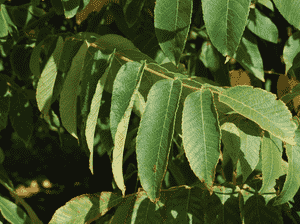
Butternut can be readily multiplied using dormant wood cuttings collected in fall or winter, by employing air layering techniques, or through seed planting. Evidence of successful propagation is indicated by the appearance of vigorous new growth. To enhance the likelihood of success, ensure cuttings remain hydrated and receive sufficient nourishment and illumination.
Optimal Period for Butternut Propagation
Propagation Method
Cutting
Propagation Season
Autumn,Winter
Tools Required for Butternut Propagation
Sharp Pruning Shears
These are vital for taking butternut cuttings, ensuring a clean incision that promotes quick healing and minimizes disease spread. The shears' precise blades are perfect for cutting small to medium branches without crushing plant tissues, which is crucial for delicate butternut cuttings.
Rooting Hormone
This compound encourages root development in butternut cuttings. Applied to the fresh cut base, it boosts the chances of successful root formation, especially important for hardwood cuttings like butternut, which are typically harder to root.
Sterilizing Agent
Tools and work surfaces must be sterilized to prevent contaminating butternut cuttings with pathogens. A solution like alcohol or bleach water is used to clean all equipment before and after taking cuttings, reducing the risk of disease that can jeopardize propagation success.
Moist, Well-Draining Propagation Medium
A blend of peat, perlite, and sand is often used to provide proper aeration and moisture retention, essential for the rooting process of butternut cuttings. The medium should offer enough support to hold the cutting upright while allowing roots to easily penetrate.
Humidity Dome or Plastic Bag
Maintaining high humidity around butternut cuttings is critical for preventing water loss through transpiration while they lack roots to absorb water. A dome or bag traps moisture, creating a microclimate that supports leaf health as roots develop.
Heat Mat
A consistent and appropriate temperature is essential for encouraging root growth in butternut cuttings. A heat mat gently warms the propagation medium, which can significantly accelerate root development rates, particularly important during colder months or in cooler climates.
Caring for Your Newly Propagated Butternut
Caring for Your Newly Propagated Butternut
Once butternut cuttings have successfully rooted and are growing, slowly introduce them to outdoor conditions if they were started indoors. Plant the young butternut trees in a sunny or partially shaded location with well-draining soil, ensuring ample room for growth. Water consistently during the establishment phase to aid root development. As butternut are prone to fungal diseases, avoid overhead watering and ensure good air circulation. Fertilize annually in early spring with a balanced fertilizer to support healthy growth.
Common Errors to Avoid When Propagating Butternut
Poor seed quality
Using seeds from unhealthy butternut trees can result in low germination rates and weak seedlings. It's vital to select seeds from vigorous, disease-free trees to increase the likelihood of successful propagation.
Inadequate stratification
Failing to provide a cold stratification period for butternut seeds before planting can lead to poor germination, as this process mimics the natural cold period that breaks seed dormancy.
Incorrect soil composition
Butternut prefers well-drained soil, yet planting in heavy, poorly draining soil can cause root rot and other issues that hinder growth and survival.
Excessive watering
Butternut seeds and seedlings are vulnerable to fungal diseases when overwatered. Too much moisture can lead to damping-off disease, negatively affecting germination and plant health.
Lack of patience
Butternut trees take several years to mature from seed. Impatience may result in over-fertilizing or excessive watering, which can harm the plants.
Tips For Propagating Butternut
Healthy seed selection
Choose seeds from robust, disease-free butternut trees. This improves the chances of successful germination and growth.
Cold stratification
Subject butternut seeds to a cold stratification process of approximately 90 to 120 days to break dormancy and enhance germination rates.
Suitable soil
Plant butternut in light, well-drained soil that is fertile and slightly acidic to neutral, mimicking their natural woodland soil preferences.
Moderate watering
Water butternut seeds and seedlings moderately to maintain slightly moist soil conditions without waterlogging, reducing the risk of fungal diseases.
Gradual acclimatization
When moving butternut seedlings outdoors, slowly acclimate them to their new environment to prevent shock from sudden exposure to elements like sunlight and wind.



