How to Propagate Peregrina?
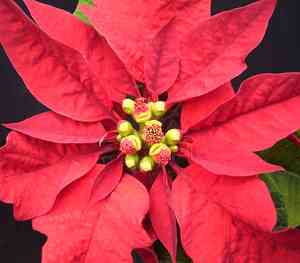
Peregrina multiplies most efficiently via stem sections, preferably during the Spring or Summer seasons. This procedure might demand a moderate amount of exertion, yet the emergence of fresh shoots serves as a helpful sign of successful establishment. Guarantee adequate hydration for the best outcomes.
Optimal Time for Peregrina Propagation
Propagation Method
Cutting
Propagation Period
Spring, Summer
Tools Required for Peregrina Propagation
Sharp pruning shears or scissors
These instruments are utilized to obtain cuttings from the parent peregrina plant. The blades must be keen to ensure a clean incision without harming plant tissues, which promotes better rooting and reduces infection risks.
Rooting hormone
This compound is applied to the severed end of the peregrina cutting to stimulate root development and enhance rooting success rates. Hormones like indole-3-butyric acid (IBA) are commonly employed for semi-hardwood cuttings such as peregrina.
Sterilizing agent (e.g., isopropyl alcohol, bleach solution)
It is employed to sanitize the pruning shears or scissors prior to taking cuttings from the peregrina to prevent the transmission of diseases among plants.
Potting mix or perlite
A well-draining, sterile potting medium or perlite offers the essential support and aeration for new roots to form in peregrina cuttings. Selecting the appropriate substrate is vital to prevent rot or fungal growth.
Propagation tray or pots with drainage holes
These receptacles hold the growing medium and cuttings. Adequate drainage is crucial to prevent waterlogging, which can lead to decay in peregrina cuttings.
Plastic bags or propagation domes
These establish a high-humidity atmosphere around the peregrina cuttings, which aids in preventing water loss from the leaves while the cutting is developing roots.
Heating mat (optional)
For peregrina cuttings, maintaining a consistent and warm soil temperature can encourage quicker root development. This is advantageous in colder climates or during the cooler months of the year.
How to Propagate Peregrina
Propagation Method
Cutting
Difficulty Level
Moderately Challenging
Caring for Your Newly Propagated Peregrina
Caring for Your Newly Propagated Peregrina
Following propagation, keep peregrina in a location with partial to full sunlight, as it thrives in bright conditions. Water the new plant regularly to maintain moist soil, but allow the top inch of soil to dry out between waterings. Fertilize with a balanced, water-soluble fertilizer every 4-6 weeks during the active growth period. Ensure proper drainage to avoid waterlogged conditions which can lead to root rot. Prune as needed to shape the plant and remove any unhealthy parts. Protect peregrina from cold temperatures and frost, as it is a tropical species and is not frost-tolerant.
Common Errors to Avoid When Propagating Peregrina
Overwatering
Excessive watering during propagation can result in root rot or fungal diseases, especially in peregrina's cuttings or seedlings. This surplus moisture hinders root establishment and can significantly decrease propagation success.
Deep planting
Inserting peregrina's cuttings too deeply into the propagation medium can cause decay before roots have a chance to develop. Additionally, deep planting of seeds may prevent them from receiving sufficient light to germinate properly.
Ignoring sanitation
Failing to sterilize tools or containers can introduce pathogens to peregrina, putting new cuttings or seeds at risk of diseases. Sanitation is vital for preventing infections that can jeopardize the propagation process.
Improper cutting selection
Utilizing non-viable or weak cuttings from peregrina impedes the propagation success rate. Cuttings should be healthy, disease-free, and taken from a vigorous part of the parent plant.
Neglecting humidity
Disregarding the need for a humid environment can cause peregrina's cuttings to dry out before they can establish roots, leading to a failure to thrive in their early stages.
Tips For Propagating Peregrina
Appropriate moisture
Maintain optimal moisture levels without overwatering. For peregrina, the propagation medium should remain consistently damp to the touch but not waterlogged, facilitating the health of developing roots.
Correct planting depth
Plant peregrina's seeds or insert cuttings at the correct depth. Seeds should be sown shallowly, while cuttings should be inserted only a few inches into the soil to ensure proper rooting while avoiding stem rot.
Sterilization
Sterilize all tools and containers before propagation. This helps to prevent the spread of disease to peregrina and is crucial for encouraging healthy growth in the propagation phase.
Select vigorous cuttings
Choose robust and healthy cuttings from peregrina for propagation. The cuttings should have at least a few leaves but not so many that they excessively draw on the cutting's limited stored energy before it roots.
Maintain humidity
Create a humid environment for peregrina's cuttings to prevent drying. Covering cuttings with a clear plastic bag with small ventilation holes can help to maintain humidity while still allowing air circulation.



