How to Propagate Arabian jasmine?
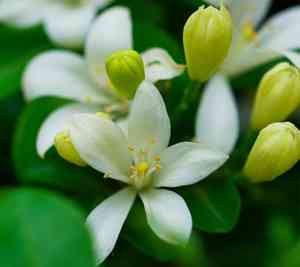
Arabian jasmine is most effectively propagated via cuttings taken in the spring and summer seasons. This procedure is relatively straightforward, and the appearance of fresh foliage signifies successful development. Ensure elevated humidity levels and steady hydration for the best propagation outcomes.
Optimal Time for Arabian Jasmine Propagation
Propagation Method
Cuttings
Propagation Period
Spring, Summer
Tools for Arabian Jasmine Propagation
Sharp Pruning Shears
These are crucial for making clean cuts from the arabian jasmine parent plant without causing undue harm, which could lead to illness or poor root formation. The sharp blades ensure a precise cut, helping to maintain the health of both the cutting and the donor plant.
Rooting Hormone Powder
Applying rooting hormone to the base of arabian jasmine cuttings can significantly boost root development. Rooting hormones contain synthetic auxins that encourage quicker root initiation, leading to a higher success rate in the propagation process.
Sterilizing Agent (e.g., Isopropyl Alcohol)
Used to sterilize pruning shears and any other tools that come into contact with the arabian jasmine, preventing the spread of disease. Clean tools are critical to avoid infecting the cuttings with pathogens.
Propagation Trays
Provide an organized environment for arabian jasmine cuttings to be placed in while they develop roots. Trays with clear lids can also create a greenhouse-like atmosphere, maintaining humidity and warmth to encourage rooting.
Perlite or Vermiculite
Amending the soil with perlite or vermiculite improves aeration and drainage, which is beneficial for arabian jasmine cuttings to root without becoming waterlogged, reducing the risk of rot.
Plant Misters
Used to gently water arabian jasmine cuttings, maintaining adequate moisture levels without disturbing the developing roots. Consistent humidity is essential for the formation of new roots in cuttings.
Heating Mat (Optional)
Provides gentle heat to the propagation area, which can encourage faster root growth in arabian jasmine by maintaining an optimal soil temperature, especially in cooler climates.
How to Propagate Arabian Jasmine?
Propagation Method
Cuttings
Difficulty Level
Moderately Challenging
Caring for Your Newly Propagated Arabian Jasmine
Caring for Your Newly Propagated Arabian Jasmine
Once arabian jasmine is successfully propagated and established, it requires consistent watering to keep the soil moist but not soggy. Provide it with a well-draining soil mix and a sunny to partial shade location. Fertilize during the growing season with a balanced liquid fertilizer every 3-4 weeks. Regularly prune to encourage bushier growth and to remove any dead or yellowing leaves. Provide frost protection as arabian jasmine is not cold-hardy, and if grown as a potted plant, ensure good air circulation to prevent pest and disease issues.
Common Mistakes to Avoid When Propagating Arabian Jasmine
Overwatering cuttings
Root rot can occur when cuttings of arabian jasmine are kept too moist, hindering root development and potentially leading to the death of the cutting.
Using non-sterile equipment
The use of contaminated tools or pots can introduce diseases to arabian jasmine cuttings or seeds, impeding growth or even causing plant death.
Taking cuttings from unhealthy plants
Cuttings from diseased or weak arabian jasmine plants are less likely to root successfully, compromising the propagation efforts.
Neglecting humidity needs
Ignoring the high humidity requirement for arabian jasmine cuttings can result in dehydration and rooting failure.
Planting seeds too deep
Sowing arabian jasmine seeds too deep can prevent proper germination due to lack of sufficient light and oxygen.
Tips For Propagating Arabian Jasmine
Use healthy donor plants
Select healthy and vigorous arabian jasmine plants for taking cuttings, ensuring a higher success rate for rooting and growth.
Maintain high humidity
Keep the air around arabian jasmine cuttings humid, using a humidity dome or regular misting to promote successful rooting.
Sterilize equipment
Use sterile pots and cutting tools to prevent the transmission of diseases to arabian jasmine cuttings or seeds.
Opt for softwood cuttings
Choose softwood stems for cuttings, as they root more easily and quickly than hardwood stems in arabian jasmine.
Use the right soil mix
Plant arabian jasmine cuttings in a well-draining soil mix to support proper root growth while avoiding overwatering risks.



