How to Propagate Pink jasmine?
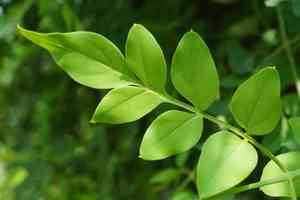
Pink jasmine reproduces effectively via softwood cuttings during the Spring and Summer seasons. This procedure is quite straightforward, with successful indicators such as the development of roots. Recommendations for ensuring success involve utilizing robust cuttings, maintaining damp soil, and supplying abundant, bright yet diffused illumination.
Optimal Time for Pink Jasmine Propagation
Propagation Type
Cutting
Propagation Season
Spring, Summer
Tools for Pink Jasmine Propagation
Sharp pruning shears
Used for taking cuttings from pink jasmine, these shears must be sharp and clean to ensure a precise cut that promotes better rooting and reduces disease transmission risk.
Rooting hormone
This powdered or liquid substance aids in encouraging root development in cuttings. Applying rooting hormone to the cut end of pink jasmine cuttings can significantly boost successful root formation.
Sterile potting mix
A well-draining, sterile potting mix offers the ideal medium for pink jasmine cuttings to establish roots. It minimizes the risk of fungal or bacterial growth that could harm the vulnerable cuttings.
Propagation trays or small pots
Containers where pink jasmine cuttings are placed after rooting hormone treatment. They provide a stable environment for growth and prevent disturbance to new roots during the initial growth phase.
Plastic cover or propagator
Maintains high humidity around pink jasmine cuttings, vital for preventing them from drying out before rooting. This tool creates a mini greenhouse effect, beneficial for cuttings' growth.
Heating mat (optional)
Provides bottom heat to propagation trays, which can enhance rooting success rates for pink jasmine by maintaining a consistent, optimal temperature around the cuttings' bases. This is especially useful in cooler climates or seasons.
How to Propagate Pink Jasmine?
Propagation Type
Cutting
Difficulty Level
Easy
Caring for Your Newly Propagated Pink Jasmine
How to Care for Your Newly Propagated Pink Jasmine?
After propagation, pink jasmine should be placed in a spot with bright, indirect light, shielded from direct afternoon sun. Water when the top inch of soil feels dry, ensuring good drainage to prevent soggy conditions. Pink jasmine will benefit from regular feeding with a balanced, water-soluble fertilizer during the growing season. Provide support for climbing vines, and prune as needed to maintain desired shape and vigor. Monitor for pests and diseases, addressing them promptly.
Common Mistakes to Avoid When Propagating Pink Jasmine
Inadequate cutting selection
Choosing weak or diseased stem cuttings for propagation can lead to poor root development and increase failure rates. Healthy, vigorous stems are crucial for successful pink jasmine propagation.
Overwatering cuttings
Waterlogged soil can cause pink jasmine cuttings to rot before roots establish. Consistent moisture is needed, but excessive watering can harm cutting health.
Inappropriate rooting media
Using soil that is too dense or lacks proper drainage can hinder root growth in pink jasmine cuttings. A well-draining mix supports healthy root development.
Neglecting humidity levels
Pink jasmine cuttings require a specific humidity level to root. Low humidity can cause cuttings to dry out too quickly, impeding root formation.
Tips For Propagating Pink Jasmine
Healthy stem selection
Choose strong, healthy, and semi-ripe stem cuttings from pink jasmine for a better chance of successful propagation. Avoid stems showing signs of stress or disease.
Moisture control
Maintain balanced soil moisture when propagating pink jasmine cuttings. Keep the soil consistently damp but not waterlogged to promote root growth without causing rot.
Appropriate rooting medium
Use a light, well-draining potting mix or a peat and perlite combination for planting pink jasmine cuttings. This facilitates proper aeration and moisture retention, critical for rooting.
Humidity maintenance
Create a humid environment for pink jasmine cuttings by covering them with a plastic bag or using a propagation dome. This mimics greenhouse conditions and encourages root development.



