How to Propagate Spanish jasmine?
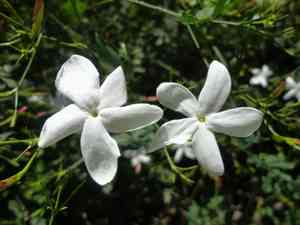
Effective propagation of Spanish jasmine is achieved via cuttings. Stimulate root growth by choosing vigorous, non-blooming stems and applying a rooting compound. Insert the cuttings into a potting blend that drains well, and ensure steady humidity and warmth. After roots emerge, move them to separate containers for establishment, providing sufficient light and hydration. Through diligent attention, these cuttings will mature into sturdy specimens.
Optimal Time for Spanish Jasmine Propagation
Propagation Method
Cutting
Propagation Period
Spring,Summer
Tools for Spanish Jasmine Propagation
Sharp Pruning Shears
These tools allow for precise cuts, minimizing harm to the parent plant and ensuring clean cuts on spanish jasmine stem cuttings. This precision helps prevent infection and promotes faster root development.
Rooting Hormone Powder
This powder encourages root formation from spanish jasmine cuttings, boosting propagation success. It aids in supporting new roots, supplying essential growth hormones and fungal protection.
Sterile Potting Mix
A well-draining, low-nutrient potting mix provides the best soil environment for spanish jasmine cutting root development. Sterility prevents disease transmission, crucial for young plant health.
Small Pots or Trays
These containers are suitable for individual spanish jasmine cuttings, optimizing space and resource allocation during root development. Their small size simplifies moisture management, vital for cutting success.
Plastic Bags or Covers
Creating a moist microclimate around spanish jasmine cuttings, these covers help maintain air humidity, essential for preventing cuttings from drying out before new roots can establish.
How to Propagate Spanish Jasmine?
Propagation Type
Moderately Difficult
Caring for Your Newly Propagated Spanish Jasmine
Caring for Your Newly Propagated Spanish Jasmine
Once roots are established, typically after several weeks, gradually acclimate the new spanish jasmine plant to its environment by removing the plastic cover for increasing durations daily. Keep the soil consistently moist but not waterlogged, and place the plant in bright, indirect light. Fertilize the new spanish jasmine with a balanced, diluted liquid fertilizer every few weeks during the growing season. Provide support if needed, as spanish jasmine can be a climbing plant, and prune as necessary to encourage bushiness and manage growth.
Common Mistakes to Avoid When Propagating Spanish Jasmine
Overwatering
Excessive watering can lead to root rot, a condition detrimental to spanish jasmine's health, as its roots require a balance of moisture and air.
Inadequate Light
While spanish jasmine thrives in bright conditions, too much direct sunlight can scorch its leaves. Conversely, insufficient light can result in leggy growth and fewer blooms.
Improper Cutting Selection
Using old or diseased stems for cuttings can decrease propagation success as they may not root well or could introduce disease to the new plants.
Ignoring Soil Conditions
Spanish jasmine prefers well-draining soil, and using a dense, heavy potting mix can hinder root growth and aeration, which is vital for successful propagation.
Neglecting Humidity
Spanish jasmine thrives in humid conditions, and cuttings may struggle to root if the surrounding air is too dry, which can impede the development of new plants.
Tips For Propagating Spanish Jasmine
Clean Cuts
Make precise cuts just below a leaf node on healthy stems to encourage successful rooting when propagating spanish jasmine.
Rooting Hormone
Applying a rooting hormone can stimulate root growth and enhance the overall success rate of spanish jasmine's propagation.
Appropriate Medium
Provide a well-draining propagation medium such as perlite or sand mixed with peat to support spanish jasmine's cuttings during rooting.
Temperature Control
Maintain a consistent and warm temperature to encourage root development without overheating spanish jasmine, which can become stressed in excessive heat.
Gentle Watering
Water spanish jasmine's cuttings gently and consistently, but avoid saturating the soil to prevent root rot while still providing adequate moisture for growth.



