How to Propagate Ixeris polycephala?
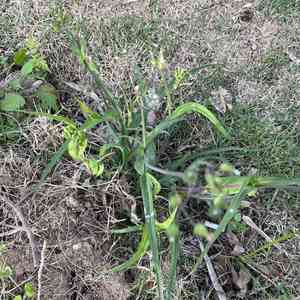
Ixeris polycephala flourishes when reproduced via seeding. Cultivators ought to begin by planting seeds in a potting blend that drains effectively, preferably in a tray or flat designed for ample root expansion. Verify that the substrate stays damp yet not excessively wet to encourage consistent sprouting. Careful handling of the fragile young plants will aid in successful relocation. Frequent spraying will assist in preserving the required moisture levels without saturating the soil, thereby nurturing a robust developmental setting for ixeris polycephala.
When Is the Optimal Time to Propagate Ixeris Polycephala?
Propagation Method
Seeding
Propagation Period
Spring
What Equipment Is Used for Ixeris Polycephala Propagation?
Seed trays
Seed trays are vital for the initial phase of propagating ixeris polycephala through sowing. These trays aid in uniform seed distribution and offer ample room for early seedling development. The compartments ensure seeds have sufficient space to sprout without competition, fostering healthier initial growth.
Fine-grained soil or seed starting mix
A fine-textured soil or a specialized seed starting blend offers the necessary consistency and nutrient balance for the optimal growth of ixeris polycephala's delicate seedlings. This medium ensures good moisture retention and drainage, crucial for seed germination and early plant development.
Misting bottle
A misting bottle is essential for gently watering newly sown ixeris polycephala seeds. It ensures the soil is moist but not overly saturated, which could cause seed rot. Misting helps provide a consistent amount of water ideal for seed germination without disturbing them.
Grow lights (if indoor propagation)
Grow lights are advantageous if sowing indoors or in conditions with inadequate natural sunlight. They supply the necessary light spectrum that ixeris polycephala seedlings require for photosynthesis, ensuring robust growth in the absence of natural light.
Labeling materials
Labeling supplies such as tags or markers are important for recording the sowing date and type of ixeris polycephala. Labels assist in monitoring propagation progress and are crucial for maintaining an organized propagation environment.
Temperature and humidity gauge
Maintaining the correct temperature and humidity is critical for the successful germination of ixeris polycephala's seeds. A temperature and humidity gauge helps monitor environmental conditions, allowing adjustments as needed to create an optimal growth environment.
How to Propagate Ixeris Polycephala?
Propagation Type
Simple
How to Care for Your Newly Propagated Ixeris Polycephala?
How to Care for Your Newly Propagated Ixeris Polycephala?
Once ixeris polycephala seedlings have developed several true leaves, they can be carefully transplanted into individual pots or directly in the garden if outdoor conditions are suitable. Ensure they are planted in well-draining soil, and continue regular watering without oversaturating the soil. Feed with a balanced fertilizer according to the needs of growing ixeris polycephala plants. Regular check for pests and diseases is crucial for healthy growth.
Common Mistakes to Avoid When Propagating Ixeris Polycephala
Overwatering cuttings
Excessive moisture can lead to root rot in ixeris polycephala. Overwatering while roots are developing can suffocate and degrade new root tissues, severely impacting the plant's ability to establish itself.
Planting in poorly drained soil
If ixeris polycephala is placed in soil that doesnât allow for adequate drainage, it risks developing fungal diseases. Waterlogged soil can inhibit root growth, leading to poor overall plant health.
Ignoring light requirements
Failing to provide the recommended light exposure for ixeris polycephala can lead to weak, spindly growth. Insufficient light particularly impacts the energy ixeris polycephala can dedicate to developing roots during propagation.
Tips For Propagating Ixeris Polycephala
Use of rooting hormone
Applying a rooting hormone to the cuttings of ixeris polycephala helps stimulate root growth, increasing the success rate of propagation by encouraging healthier root development.
Maintaining appropriate humidity
Keeping the environment around ixeris polycephala humid supports leaf and stem cuttings in retaining moisture, which is crucial until roots develop fully. Using a humidity dome or misting can be beneficial.
Ensuring clean cuttings
Using sharp, sterilized pruning tools to take cuttings of ixeris polycephala prevents disease transmission and promotes healthy new growth. Clean cuts also heal faster, reducing stress on the propagation material.



