How to Propagate Blue iris?
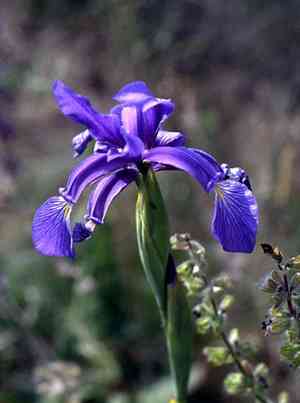
Blue iris flourish via tuber separation, an effective propagation approach that encourages development by relocating detached sections of the parent plant's underground storage organs. This procedure necessitates meticulous removal of tubers while the plant is inactive, guaranteeing that every segment has sufficient roots and nascent shoots for successful relocation and integration. Given appropriate care and substrate conditioning, these segments readily acclimate to novel surroundings, fostering vigorous growth of blue iris's characteristic azure blossoms.
Optimal Period for Blue Iris Propagation
Propagation Method
Utilize The Tubers
Propagation Period
Spring
Tools for Blue Iris Propagation
Garden Fork
A garden fork is vital for unearthing and separating blue iris tubers. Its robust tines are perfect for loosening soil and lifting tubers with minimal harm. This tool aids in carefully dividing tubers, ensuring each section retains part of the root system, crucial for successful replanting and propagation.
Pruning Shears
Sharp pruning shears are needed to cleanly sever roots and remove any dead or surplus plant material before replanting blue iris tubers. This guarantees healthy propagation material and prevents potential disease spread. Clean cuts from the shears also promote quicker healing and root establishment in the new environment.
Trowel
A trowel is employed for digging small holes to replant divided blue iris tubers. Its compact size and ergonomic handle allow for precise control and minimal disruption to surrounding soil, fostering better root contact with the earth and enhancing water and nutrient absorption vital for blue iris growth.
Watering Can with a Fine Rose
After replanting tubers, gentle watering is essential. A watering can with a fine rose attachment provides a soft, shower-like flow that moistens the soil without dislodging newly planted tubers. Proper hydration is critical for initial root development and overall blue iris health.
Labeling Sticks and Marker
Using labeling sticks and a permanent marker to identify newly planted blue iris tubers helps monitor their growth and maintain proper care routines. This tool assists in organizing and identifying plant varieties, especially important in nurseries or gardens with multiple species.
Post-Propagation Care for Blue Iris
Post-Propagation Care for Blue Iris
Following propagation, blue iris needs consistent moisture, particularly during its initial growing season, to establish roots. In subsequent years, blue iris will tolerate drier conditions. Provide blue iris with full sun to partial shade in well-drained soil, and remove spent blooms to encourage proper growth and flowering. Dividing and propagating every few years will ensure blue iris's health and vitality.
Common Errors to Avoid When Propagating Blue Iris
Overwatering during dormancy
Excessive watering of blue iris during dormancy can cause root rot, as their root systems are sensitive to too much moisture when not actively growing.
Deep burying rhizomes
Planting blue iris's rhizomes too deeply can hinder sprouting, as they require sun exposure to initiate growth.
Neglecting division
Failure to divide blue iris's clumps every few years can lead to overcrowding, which can reduce bloom quantity and overall plant health.
Excessive use of fertilizer
Blue iris does not require heavy fertilization. Too many nutrients can result in weak growth and make the plant more vulnerable to disease.
Advice for Propagating Blue Iris
Appropriate moisture
Maintain consistent moisture for blue iris during active growth, but reduce watering when dormant to prevent root rot.
Proper rhizome planting
Plant blue iris's rhizomes just beneath the soil surface to ensure they receive adequate sunlight for sprouting.
Timely clump division
Divide blue iris every three to five years to revitalize its growth and prevent overcrowding, which can impact its blooms and vigor.
Moderate fertilization
Fertilize blue iris sparingly with a balanced fertilizer. Excessive feeding is unnecessary and can harm blue iris.



