How to Propagate Siberian iris?
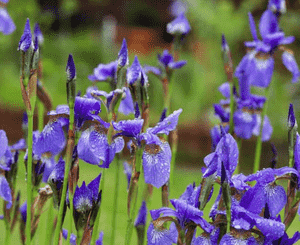
Siberian iris multiplies readily in Spring, mainly via its rhizomes. For optimal outcomes, separate rhizomes exhibiting robust development. Indicators of successful multiplication encompass fresh leaves and vigorous root formation.
Optimal Period for Siberian Iris Propagation
Propagation Method
Utilize The Tubers
Propagation Period
Spring
Tools Required for Siberian Iris Propagation
Sharp knife or garden shears
Crucial for separating siberian iris rhizomes, a sharp knife or garden shears must be disinfected prior to use. This reduces the risk of disease spread during cutting. Sharpness ensures clean cuts, promoting quicker healing and less plant tissue damage.
Spade or garden fork
A spade or garden fork is employed to carefully lift rhizome clumps from the soil without excessive harm. A gentle approach preserves siberian iris health by minimizing root disruption and breakage.
Potting containers with drainage holes
Following division, individual rhizome sections can be placed into potting containers that offer controlled growing conditions. Containers with drainage holes prevent water accumulation, vital for siberian iris root health, as it prefers well-drained soil.
Quality potting mix
Supplies a nutrient-rich and well-draining medium for new siberian iris segments to take root. It aids in root development and lessens the chance of rot and fungal infections.
Horticultural fungicide
Applied to the cut surface of rhizomes to ward off fungal infections. Fungicide helps ensure siberian iris doesn't succumb to diseases that could jeopardize propagation success.
Misting bottle
Used to lightly moisten the surface of the potting medium, keeping it damp but not waterlogged. Proper hydration is key for siberian iris, encouraging cuttings to form new roots and promoting successful establishment.
Labels and waterproof marker
Tracking propagation batches is important for monitoring growth and specific care needs. Labels ensure siberian iris cultivars are identifiable throughout the propagation process.
Rooting hormone (optional)
While not always essential, rooting hormone can boost the rooting success of cuttings. It stimulates root growth for newly divided siberian iris rhizomes, particularly beneficial for weaker or smaller divisions that might struggle to root.
How to Propagate Siberian Iris
Propagation Method
Utilize The Tubers
Difficulty Level
Easy
Caring for Your Newly Propagated Siberian Iris
Caring for Your Newly Propagated Siberian Iris
After propagation, siberian iris needs consistent watering to establish a robust root system, especially in its initial growing season. Ensure the planting area drains well to prevent rot. Fertilize in early spring with a balanced feed to encourage growth. Remove spent blooms to redirect energy to roots and division sites. Monitor for pests and diseases, treating as needed. Mulch for winter protection in colder regions. Divide siberian iris every 3 to 5 years to maintain vigor and flower production.
Common Errors to Avoid When Propagating Siberian Iris
Excessive watering after division
Over-watering siberian iris immediately post-division can lead to root rot. Divided rhizomes require time to heal, and too much moisture creates an environment favorable for fungal diseases, which can kill new plantlets before they establish.
Planting divisions too deep
Siberian iris rhizomes planted too deeply may fail to emerge or become prone to rot. Rhizomes should be planted shallowly, with the top slightly exposed to air, as excessive soil can smother the rhizome and hinder growth.
Disturbing newly divided rhizomes
Replanting or disturbing siberian iris too soon after division can impede root establishment. Divisions need time to develop a new root system; premature movement can damage delicate new roots and delay growth.
Ignoring pest and disease control
Neglecting pest and disease prevention for siberian iris can result in the loss of divisions. Even after division, it's crucial to monitor for signs of pests and diseases to ensure the health and vitality of new plants.
Tips For Propagating Siberian Iris
Correct division technique
Using a sharp, clean knife or spade to divide siberian iris minimizes damage to roots and rhizomes. This prevents diseases and allows divisions to recover and grow more quickly.
Adequate spacing
Providing sufficient space between divided siberian iris promotes healthy growth and air circulation, reducing the likelihood of fungal diseases and allowing for ample sunlight exposure.
Light watering
Watering siberian iris divisions lightly but consistently helps new roots establish without causing waterlogging. Ensuring good drainage is also vital for their survival and growth.
Use of rooting hormone
Dipping the cut end of siberian iris divisions into a rooting hormone can encourage faster root development, leading to a higher success rate in propagating new plants.



