How to Propagate Common morning glory?
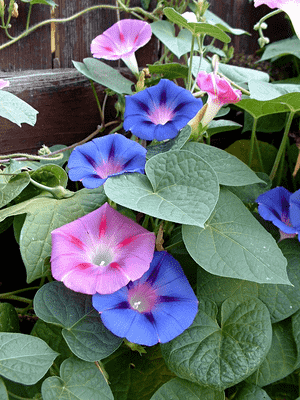
Ipomoea purpurea is most effectively multiplied by seeding, preferably in the springtime. This species presents a straightforward propagation challenge; successful multiplication is evident upon the appearance of new sprouts. To boost the likelihood of success, ensure sufficient hydration and warmth.
Optimal Time for Common Morning Glory Propagation
Propagation Method
Sowing
Propagation Period
Spring
Tools for Common Morning Glory Propagation
Seedling trays or pots
These offer individual compartments for each common morning glory seed, which is advantageous as it minimizes root disturbance during transplanting. Furthermore, seedling trays aid in maintaining the necessary moisture and temperature for germination.
Peat or soilless seed starter mix
A sterile, nutritionally balanced medium is vital for common morning glory's seeds to prevent disease and encourage robust root development. It also retains the appropriate moisture level required for seed germination.
Grow lights or a sunny windowsill
Common morning glory seeds need sufficient light for germination and initial growth. Grow lights provide a consistent light source that can be managed and adjusted as needed, while a sunny windowsill serves as a natural alternative.
Watering can with a fine rose or mist sprayer
Gentle watering is essential to avoid disturbing the small seeds of common morning glory. Using a fine rose or mist sprayer ensures the soil is moistened without causing erosion or dislodging the seeds.
Plastic wrap or humidity dome
Creating a miniature greenhouse effect with a humidity dome or plastic wrap over the seedling trays maintains high humidity and warm temperatures, both of which assist common morning glory's seeds in germinating.
Heat mat
Germination of common morning glory seeds can be enhanced by providing warmth from below. A heat mat ensures steady heat, which is particularly beneficial in cooler climates or for off-season propagation.
Dibber or small stick
This implement is used for making small depressions in the propagation medium to plant common morning glory seeds at the correct depth. A dibber offers precision in planting, leading to a more uniform germination rate.
Labels or markers
Labels assist in tracking sowing dates and identifying different batches of common morning glory seeds, which is crucial for monitoring growth progress and organizing the propagation schedule.
Gloves
Wearing gloves during the sowing process keeps the propagation medium free from any oils or contaminants on the hands, which could potentially impact common morning glory's seed germination rate.
Method for Propagating Common Morning Glory
Propagation Type
Sowing
Difficulty Level
Easy
Caring for Newly Propagated Common Morning Glory
Caring for Newly Propagated Common Morning Glory
Once common morning glory seeds have germinated and seedlings are established, ensure they receive at least 6 hours of direct sunlight daily. Water the plants regularly, allowing the soil to dry out slightly between waterings. Fertilize with a balanced, water-soluble fertilizer every 4-6 weeks to support growth. Train common morning glory to climb if necessary by providing trellises or supports. Monitor for pests and diseases and treat promptly to maintain healthy plants.
Common Errors to Avoid When Propagating Common Morning Glory
Overwatering
Watering common morning glory seeds too frequently can cause them to rot before germination. Excessive water can also lead to fungal infections, compromising seedling health.
Too deep planting
Planting common morning glory seeds too deeply in the soil can impede germination due to insufficient light exposure and oxygen, both vital for seed awakening.
Ignoring soil quality
Using poor soil that lacks nutrients or has inadequate drainage can affect the germination rate and overall growth of common morning glory, potentially resulting in weak plants.
Neglecting to nick seeds
Failing to scarify or 'nick' the hard outer coating of common morning glory seeds may result in lower germination rates because it prevents moisture from penetrating the seed.
Planting weak seeds
Using old or poor-quality seeds can lead to low germination and weak seedlings, negatively impacting the vigor and health of common morning glory.
Advice for Propagating Common Morning Glory
Appropriate watering
Provide just enough water to keep the common morning glory seeds moist until germination occurs. Once the seedlings have established, water them deeply but less frequently.
Soil preparation
Ensure that the soil is loamy, fertile, and well-draining. Enriching the soil with compost can support robust growth of common morning glory.
Correct seed depth
Sow the common morning glory seeds no more than 1/4 inch deep to ensure they have sufficient access to light, which is crucial for germination.
Seed scarification
Gently nick the hard seed coat of common morning glory or soak the seeds in warm water overnight to improve the germination rate by allowing water to penetrate the seed.
Seed selection
Select high-quality, fresh seeds for planting. Performing a germination test before planting can help identify viable seeds for successful propagation of common morning glory.



