How to Propagate Purple Anise?
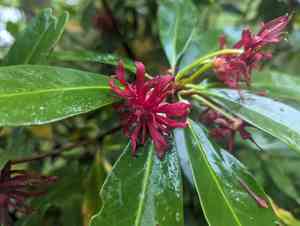
Purple Anise, recognized for its star-like blossoms and fragrant leaves, flourishes in damp, shaded conditions. Reproduction is successful through cuttingsâobtain semi-hardwood cuttings during the latter part of summer. To ensure proper rooting, apply a rooting stimulant to the severed end and place in a potting blend that drains effectively. Keep the soil consistently moist without saturating it, and offer filtered light until robust root growth is established. Endurance is crucial, as Purple Anise might develop roots more gradually compared to other varieties.
Optimal Time for Purple Anise Propagation?
Propagation Method
Cutting
Propagation Period
Autumn,Winter
Tools for Purple Anise Propagation?
Sharp Pruning Shears
Designed for precise cuts, sharp pruning shears are vital for taking purple Anise cuttings. Clean cuts prevent infection and promote faster healing, boosting successful root development.
Rooting Hormone
Rooting hormone stimulates root growth, crucial for quick establishment of cuttings. It particularly benefits purple Anise by ensuring stronger root formation, essential for new plant survival and health.
Sterile Potting Mix
A sterile potting mix prevents disease and pest issues during purple Anise propagation. A light, airy mix is ideal, supporting root growth while maintaining proper moisture.
Propagation Tray
A propagation tray holds purple Anise cuttings securely, maintaining optimal humidity and temperature. Trays with domes are preferred for creating a microenvironment vital for rooting.
Heating Mat
Optional but helpful, a heating mat speeds root growth by providing consistent bottom heat. This is crucial in cooler temperatures, preventing cold stress that hinders purple Anise root development.
How to Propagate Purple Anise?
Propagation Difficulty
Moderately Difficult
Caring for Newly Propagated Purple Anise?
Caring for Newly Propagated Purple Anise?
Once roots form and purple Anise establishes, gradually acclimate it to lower humidity by removing the plastic cover over a week. Keep soil consistently moist but not waterlogged, and place purple Anise in filtered sunlight. Avoid harsh direct sun to prevent leaf scorch. Regularly check for pests and diseases, especially early on.
Common Mistakes in Purple Anise Propagation
Excessive Moisture
Overwatering or high humidity can cause root rot in purple Anise, destroying the root system and stunting or killing the plant.
Deep Planting
Planting cuttings too deep can lead to rot before purple Anise roots establish. It can also deprive stem nodes of air, hindering root growth.
Ignoring Hygiene
Not sterilizing tools or using dirty pots and soil can introduce pathogens to purple Anise cuttings, increasing disease risk and impeding successful propagation.
Harsh Sunlight
Exposing purple Anise cuttings to direct, intense sunlight can cause scorching and water stress, reducing their ability to root and grow.
Over-fertilization
Applying too much fertilizer to purple Anise cuttings can 'burn' them, potentially damaging young roots and shoots through chemical stress.
Tips for Propagating Purple Anise
Proper Watering
Maintain consistently moist, but not waterlogged, soil for purple Anise cuttings. This balance promotes root development without risking rot.
Appropriate Planting Depth
Insert purple Anise cuttings shallowly, with the node just below the soil surface, to enhance rooting potential and ensure air access.
Clean Tools & Medium
Use sterile propagation tools and clean pots with fresh, suitable potting mix to minimize disease transmission to purple Anise.
Filtered Light
Purple Anise cuttings thrive best in bright, indirect light. Protect them from direct sunlight to prevent dehydration and scorching.
Monitor Fertilizer Use
Use a diluted, balanced fertilizer for purple Anise, only after roots have established, to avoid chemical damage to young tissues.



