How to Propagate Lusterleaf holly?
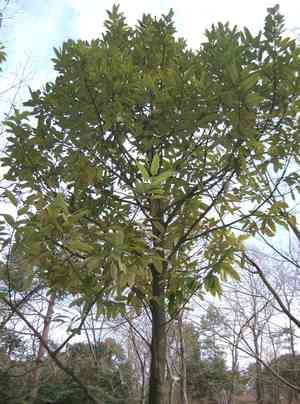
Ilex latifolia is celebrated for its shiny, deep green leaves and tiny white blossoms that transform into crimson berries, presenting a captivating aesthetic in outdoor settings. To multiply this resilient evergreen, dedicated horticulturists can utilize the cutting technique, which entails gathering semi-hardwood sections from vigorous mother plants. Verify that each section possesses multiple leaf junctions and immerse the severed tip in rooting compound to stimulate strong root formation. Insert the cuttings into a damp, free-draining substrate, supplying steady hydration and warmth to facilitate effective rooting and expansion. Perseverance is crucial as Ilex latifolia might require a period to become established from cuttings, but with diligent attention, these specimens will soon flourish and enhance the allure of any garden environment.
Optimal Period for Lusterleaf Holly Propagation
Propagation Method
Cutting
Propagation Season
Autumn,Winter
Tools Required for Lusterleaf Holly Propagation
Sharp Pruning Shears
These are vital for obtaining precise, clean cuttings from lusterleaf holly. Their sharp blades prevent crushing plant tissues, which is crucial for the cuttings' health and successful rooting. Clean cuts promote quicker healing and reduce disease risk.
Rooting Hormone
Applied to the cut end of lusterleaf holly cuttings to stimulate root formation and boost rooting success rates. Rooting hormones, typically containing auxins, significantly improve the likelihood of successful plant establishment by encouraging faster root development.
Sterilized Container
Used to hold lusterleaf holly cuttings after rooting hormone application. Sterilized containers prevent the introduction of harmful pathogens that could damage cuttings before they root and grow, thus ensuring the overall health of the propagated plants.
Perlite or Vermiculite
These are incorporated into the potting mix to enhance aeration and drainage, which are critical for the root development of lusterleaf holly cuttings. Both perlite and vermiculite help maintain appropriate soil moisture levels, essential for rooting without causing rot.
Misting Bottle
A device used to gently water lusterleaf holly cuttings without disturbing newly forming roots. Regular misting helps maintain optimal humidity around the cuttings, increasing their chances of survival and healthy root development.
Heat Mat
Provides a consistent, ideal temperature base for lusterleaf holly cuttings, encouraging faster root growth. The warmth from a heat mat is particularly beneficial during colder months or in cooler climates where root development might otherwise slow down.
Label and Marker
Used to identify each cutting with details such as propagation date and specific treatment information. This tool aids in monitoring the progress of lusterleaf holly cuttings and maintaining an organized propagation setup.
Lusterleaf Holly Propagation Difficulty
Propagation Type
Moderately Difficult
Post-Propagation Care for Lusterleaf Holly
How to Care for Your Newly Propagated Lusterleaf Holly?
Once lusterleaf holly cuttings have successfully rooted, which may take several weeks, gradually acclimate the new plants by removing the plastic cover and exposing them to less humid conditions. When new growth appears, begin to introduce the young lusterleaf holly to the environmental conditions of their permanent location. Transplant rooted cuttings into larger pots or the ground, and maintain consistent watering during establishment. Avoid fertilization until after the first growing season, then apply a slow-release fertilizer. Monitor for pests and diseases, treating as needed. Lusterleaf holly thrives in well-drained soil, and once established, requires minimal care beyond occasional pruning for shaping or removing dead/diseased wood.
Common Errors to Avoid When Propagating Lusterleaf Holly
Overwatering cuttings
Excessive moisture can lead to root rot in lusterleaf holly cuttings, impeding root development and potentially killing the plant.
Using non-sterilized tools
Propagating with unsterilized tools can introduce pathogens to lusterleaf holly, resulting in infections and poor growth.
Too much fertilization
Lusterleaf holly cuttings or seedlings can suffer from fertilizer burn if too many nutrients are applied, causing root damage and stunted growth.
Tips For Propagating Lusterleaf Holly
Semi-hardwood cuttings
For successful propagation, use semi-hardwood cuttings of lusterleaf holly as they root more effectively than softwood or hardwood cuttings.
Rooting hormone
Applying a rooting hormone can improve root development and increase the success rate of lusterleaf holly propagation.
Well-draining substrate
Ensure lusterleaf holly is planted in a substrate that drains well to prevent waterlogging and encourage healthy root growth.



