How to Propagate Inkberry?
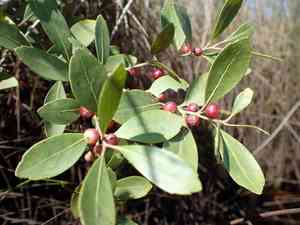
Inkberry can be successfully multiplied using cuttings, with the most favorable period being spring and summer. This particular plant presents a moderate challenge for propagation. The emergence of robust roots signifies successful cultivation. Maintaining consistently damp soil is crucial throughout this propagation phase.
Optimal Period for Inkberry Propagation
Propagation Method
Cutting
Propagation Period
Spring, Summer
Tools Required for Inkberry Propagation
Sharp pruning shears
Sharp-bladed pruning shears ensure a clean, precise cut when taking inkberry cuttings. A clean cut is vital to prevent excessive damage to both the parent plant and the cutting, reducing vulnerability to disease.
Rooting hormone
Applying rooting hormone to the cut end of inkberry cuttings promotes root development and increases the likelihood of successful propagation. This is particularly helpful for woody plants like inkberry, which might otherwise root slowly or with difficulty.
Sterile potting mix
A sterile potting mix offers a clean, pathogen-free environment for inkberry cuttings to establish roots. This is crucial for disease prevention and ensures cuttings receive adequate nutrients without competition from weeds or other plants.
Propagation tray or containers
These provide a stable environment for inkberry cuttings to develop roots. Proper drainage is essential to prevent waterlogging, which can lead to rot or fungal diseases.
Clear plastic bags or humidity dome
A clear plastic bag or humidity dome creates a high-humidity microenvironment around inkberry cuttings. This mimics a greenhouse, keeping cuttings moist and improving rooting success by preventing desiccation.
Heating mat (optional)
For inkberry, which may prefer a warmer root zone for propagation, a heating mat gently warms the soil, encouraging root growth. This is especially useful in cooler temperatures or regions where inkberry may not naturally thrive.
How to Propagate Inkberry?
Propagation Type
Cutting
Difficulty Level
Moderately Difficult
Caring for Your Newly Propagated Inkberry
Caring for Your Newly Propagated Inkberry
Initially, place the newly propagated inkberry in indirect light with consistent humidity. Gradually acclimate it to outdoor conditions if outdoor planting is planned. Water regularly to maintain consistent soil moisture, avoiding waterlogged conditions. Monitor for pests and diseases, adjusting care based on inkberry's light exposure, temperature, and preference for acidic, well-drained soil. Fertilize with a balanced, slow-release product as per instructions, typically in early spring. Prune inkberry annually to maintain shape and encourage bushy growth.
Common Errors to Avoid When Propagating Inkberry
Overwatering cuttings
Excessive watering of cuttings can cause rot, especially for inkberry, which prefers well-drained soil. Saturated conditions can lead to decay at the cutting's base, hindering root development.
Using diseased plant material
Selecting diseased or weak stems for cuttings can result in poor growth or contaminate the propagation medium, jeopardizing the health of new inkberry plants.
Too much fertilizer
Applying excessive fertilizer can burn the delicate roots of inkberry cuttings or seedlings, leading to stunted growth and reducing the chances of successful propagation.
Ignoring soil ph
Inkberry thrives in acidic soil; neglecting the correct pH can impede the plant's ability to absorb nutrients, affecting growth and propagation success.
Neglecting humidity for cuttings
Inkberry cuttings require balanced air moisture to prevent drying out. Ignoring the need for humidity can cause cuttings to desiccate and fail to root.
Tips For Propagating Inkberry
Well-draining propagation medium
Utilize a sterile, well-draining propagation medium to foster root growth without waterlogging, which is suitable for inkberry cuttings.
Semi-hardwood cuttings
Choose semi-hardwood cuttings from inkberry, as they are at an optimal growth stage for rooting, unlike softwood or hardwood cuttings which may not root as successfully.
Rooting hormone
Employ rooting hormone to accelerate the rooting process and enhance the likelihood of inkberry cuttings developing robust root systems.
Acidic soil preparation
Prepare the soil with appropriate acidity, mimicking inkberry's natural habitat, and promoting better nutrient absorption essential for vigorous growth.
Monitored watering
Water inkberry cuttings carefully, keeping the soil moist but not saturated, to prevent root rot while ensuring sufficient hydration for root development.



