How to Propagate Dahoon?
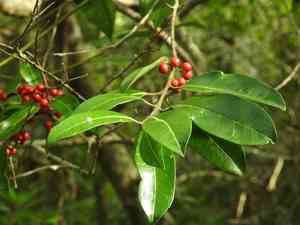
Dahoon flourishes when reproduced via cuttings, a method where sections of the original plant are utilized to cultivate new specimens. For effective propagation, it is advisable to collect semi-hardwood cuttings in the latter part of spring or early summer. Employ a rooting stimulant to foster root formation prior to potting in a soil blend that drains efficiently. Steady hydration and warmth are vital during the rooting period to guarantee vigorous development.
Optimal Period for Dahoon Propagation
Propagation Method
Cutting
Propagation Period
Autumn,Winter
Tools Required for Dahoon Propagation
Sharp Pruning Shears
Crucial for taking cuttings, sharp pruning shears guarantee a clean, precise cut that minimizes harm to dahoon's tissues. Clean cuts help prevent infection and enhance root development from the cutting.
Rooting Hormone
This boosts the probability of successful root formation from dahoon cuttings. Rooting hormone encourages faster root initiation, leading to a higher propagation success rate.
Sterile Potting Mix
A sterile potting mix, free from pathogens, offers a safe growing medium for new dahoon cuttings. This medium supports healthy root growth without the danger of soil-borne diseases.
Propagation Tray
These trays hold the potting mix and maintain the necessary humidity and temperature conditions around dahoon cuttings. They are perfect for managing multiple cuttings in a controlled setting.
Plastic Domes or Covers
Placing a plastic dome or cover over the propagation tray creates a humid microclimate, which is beneficial for dahoon cuttings. This humidity helps maintain leaf moisture and promotes rooting.
Heating Mat
An optional but advantageous tool, especially in cooler climates, a heating mat promotes consistent soil temperature, facilitating quicker root growth in dahoon cuttings.
Dahoon Propagation Guide
Propagation Difficulty
Moderately Difficult
Post-Propagation Care for Dahoon
Post-Propagation Care for Dahoon
Once roots have formed, gradually introduce dahoon to more sunlight. Transplant the successfully rooted cuttings to their permanent spot in moist, well-drained soil. Regular watering and mulching will help retain soil moisture and protect the young plants. Monitor for pests and diseases, and provide necessary care to encourage healthy growth.
Common Errors to Avoid When Propagating Dahoon
Overwatering
Excessive watering can lead to root rot in dahoon, as the species prefers well-drained soil. Too much moisture may also encourage fungal growth, undermining the plant's health and vigor.
Using non-acidic soil
Dahoon thrives in acidic soils. Planting in alkaline or neutral soil can impede nutrient absorption, potentially leading to nutrient deficiencies and suboptimal growth.
Deep planting of cuttings
Inserting dahoon cuttings too deeply into the substrate can reduce the likelihood of root initiation and increase the risk of stem rot.
Neglecting humidity for cuttings
Failing to maintain adequate humidity levels when propagating dahoon from cuttings can cause them to dry out before they successfully root.
Advice for Propagating Dahoon
Use acidic, well-draining soil
For successful growth, dahoon requires acidic soil. Ensuring the soil is also well-draining will help prevent issues such as root rot and create an optimal growing environment.
Maintain moderate humidity
While propagating dahoon cuttings, maintaining a moderate humidity level will help ensure that the cuttings do not dry out and can establish roots effectively.
Opt for semi-hardwood cuttings
Using semi-hardwood cuttings for propagation is ideal for dahoon. These cuttings tend to have the best success rate for rooting and subsequent growth.
Provide indirect light
When rooting dahoon cuttings, ensure they are placed in a location with indirect light. Direct sunlight can be too intense and may damage the delicate new roots and shoots.



