How to Propagate Shrubby St. John's wort?
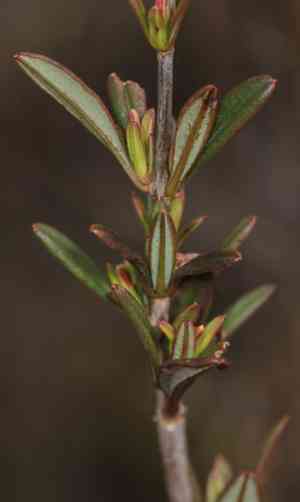
Hypericum prolificum flourishes when propagated in the fall or winter using techniques such as cuttings and layering. This species is quite simple to multiply, with indicators of success being the emergence of roots and leaves. Always select robust parent stock for the best outcomes.
Optimal Time for Shrubby St. John's Wort Propagation
Propagation Method
Cutting
Propagation Period
Autumn,Winter
Tools for Shrubby St. John's Wort Propagation
Sharp Pruning Shears
Pruning shears are vital for making clean cuts from the parent shrubby St. John's wort, minimizing harm and disease risk. Sharp blades ensure precise cutting, crucial for the plant's recovery and the cutting's survival.
Rooting Hormone Powder or Gel
This encourages root formation in shrubby St. John's wort cuttings. Applying the hormone to the cut end assists in faster root initiation, boosting the propagation success rate.
Sterile Potting Mix
A sterile potting mix, free from pathogens, is crucial for shrubby St. John's wort cuttings to flourish. It offers a healthy environment for new roots to develop without competition or infection.
Propagation Tray or Pots
Trays or pots hold the sterile potting mix and shrubby St. John's wort cuttings. They should have drainage holes to prevent waterlogging, which could lead to rot or fungal infections in the cuttings.
Plastic Dome or Clear Plastic Bags
These maintain high humidity around shrubby St. John's wort cuttings, essential for preventing water loss while new roots form. This creates a mini greenhouse effect beneficial for cutting survival.
Heating Mat
A heating mat can be used to maintain a consistent temperature at the base of the propagation tray, which can enhance root growth in shrubby St. John's wort cuttings, especially during cooler months.
Caring for Your Newly Propagated Shrubby St. John's Wort
Caring for Your Newly Propagated Shrubby St. John's Wort
After propagation, move shrubby St. John's wort into a larger container or a suitable garden spot. Ensure it gets partial to full sun and is in well-draining soil. Keep the soil moist, especially during dry periods, and use a balanced fertilizer during the growing season to support healthy development.
Common Errors to Avoid When Propagating Shrubby St. John's Wort
Overwatering
Providing too much water can lead to root rot, as shrubby St. John's wort's roots need a balance of moisture and air to develop properly. Saturated soil can suffocate the roots, preventing them from establishing in new soil.
Using non-fresh seeds
Old or improperly stored seeds might not be viable, leading to poor germination rates. As shrubby St. John's wort relies on the vitality of seeds, this mistake can seriously hinder propagation efforts.
Ignoring soil drainage
Failing to use well-draining soil can result in water accumulation around the roots, which is harmful for shrubby St. John's wort, as it prefers drier conditions. Compacted soil can cause poor root development and health issues.
Planting cuttings too deep
Inserting cuttings too far into the soil can cause them to rot before they have a chance to root. Shrubby St. John's wort cuttings require proper placement at an appropriate depth for successful rooting.
Neglecting aftercare
Once propagation materials are planted, ignoring the ongoing needs of shrubby St. John's wort, like moderate watering and protection from extreme conditions, can lead to loss of cuttings or seedlings due to stress.
Tips For Propagating Shrubby St. John's Wort
Select healthy parent plants
Choosing vigorous and disease-free parent plants ensures that the genetic material for propagation is of high quality, which is essential for the success of shrubby St. John's wort's propagation.
Use clean tools
Sterilizing cutting instruments prevents the spread of diseases and promotes healthier cuttings, as shrubby St. John's wort can be sensitive to infection during the propagation process.
Provide indirect light
Offering a balance of shade and indirect sunlight encourages root growth without overwhelming shrubby St. John's wort cuttings or seedlings with excessive heat or light.
Monitor moisture levels
Keeping the soil consistently moist but not waterlogged is key for shrubby St. John's wort's root development. A well-timed watering regimen aids in the successful establishment of new plants.
Harden off young plants
Gradually acclimating propagated shrubby St. John's wort plants to outdoor conditions helps reduce shock and increase their chance of survival when they are moved from a controlled environment.



