How to Propagate Caribbean spiderlily?
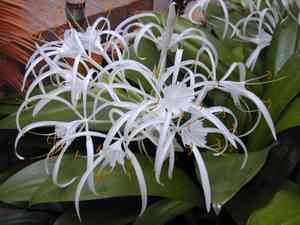
Hymenocallis caribaea, recognized by its stellate blossoms and elongated stamens, flourishes in damp, adequately draining substrate under conditions ranging from partial shade to full sunlight. Reproduction is best accomplished by separating established tubers, making certain that every section possesses an active bud. This technique preserves genetic uniformity and fosters vigorous development. Upon transplanting, place the tubers just beneath the soil line, provide a thorough initial watering, and guarantee ongoing hydration without oversaturation.
Optimal Time for Caribbean Spiderlily Propagation
Propagation Method
UtilizeTubers
Propagation Period
Spring
Tools Required for Caribbean Spiderlily Propagation
Hand Trowel
Crucial for carefully excavating caribbean spiderlily tubers with accuracy and minimal harm. Its compact size enables precise removal, ensuring tubers remain whole and viable for propagation.
Pruning Shears
Employed to remove any damaged or diseased foliage from caribbean spiderlily tubers. This prevents disease spread and encourages healthier development during propagation.
Garden Gloves
Shield hands from soil-borne pathogens and provide a firm grip when handling caribbean spiderlily tubers. Gloves also prevent direct contact with potentially irritating sap.
Rooting Hormone
Applying rooting hormone to cut or injured sections of caribbean spiderlily's tubers can boost root development and increase propagation success rates.
Propagation Tray
Offers a controlled environment for planting caribbean spiderlily tubers. The tray allows for proper spacing and drainage, reducing root rot risk and promoting healthy growth.
Sterilized Potting Mix
Using a sterilized, well-draining potting mix lowers the risk of fungal infections and supplies the necessary nutrients for caribbean spiderlilyâs tubers to establish roots and grow.
Spray Bottle
Maintains appropriate humidity levels for caribbean spiderlily tubers without over-watering. A fine mist helps keep the soil and emerging roots moist, fostering optimal growth conditions.
Heat Mat
Provides consistent bottom warmth to the propagation tray, encouraging faster root development for caribbean spiderlily tubers. This is especially beneficial in cooler climates.
Plant Label Markers
Helps keep track of different propagating caribbean spiderlily tubers, particularly if multiple varieties or species are being propagated simultaneously. Labeling ensures effective monitoring and care.
How to Propagate Caribbean Spiderlily?
Propagation Type
Simple
Caring for Your Newly Propagated Caribbean Spiderlily
Caring for Your Newly Propagated Caribbean Spiderlily
Post-propagation, maintain consistent soil moisture, especially during active growth. Provide moderate light, avoiding direct sun. Fertilize with a balanced, water-soluble fertilizer every 4-6 weeks during the growing season. Ensure good air circulation to prevent fungal diseases and periodically check for pests. Mulch the soil surface to retain moisture and regulate temperature.
Common Mistakes to Avoid When Propagating Caribbean Spiderlily
Overwatering
Excessive watering can lead to root rot, which can ultimately kill caribbean spiderlily. It's crucial to maintain well-draining soil.
Insufficient Light
Not providing adequate light can stunt growth and hinder successful propagation. Caribbean spiderlily thrives in bright, indirect light.
Improper Soil Mix
Using heavy or poorly draining soil can suffocate roots. Caribbean spiderlily prefers a well-draining, sandy or loamy soil mix.
Using Non-Viable Bulbs
Propagating with damaged or non-viable bulbs can lead to poor growth. Healthy, intact bulbs are essential for successful propagation.
Tips For Propagating Caribbean Spiderlily
Use Well-Draining Soil
Ensure the soil mix drains well, incorporating sand or perlite to prevent waterlogging, which can lead to root rot.
Provide Adequate Light
Place caribbean spiderlily in a location with bright, indirect light to stimulate healthy growth and successful propagation.
Select Healthy Bulbs
Choose firm, healthy bulbs for propagation, avoiding any that are damaged, soft, or show signs of disease.
Water Sparingly
Water the plant sparingly, allowing the soil to dry out slightly between waterings to avoid root rot.



