How to Propagate Garden stonecrop?
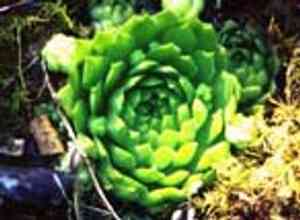
The garden stonecrop species is generally multiplied in the spring and summer seasons via soft stem cuttings. This propagation method presents a moderate challenge and necessitates perseverance. Indicators of successful propagation often involve the emergence of fresh foliage and root structures. To enhance your likelihood of success, ensure the growing medium remains damp without becoming saturated, and supply abundant illumination.
Optimal Period for Garden Stonecrop Propagation
Propagation Method
Cutting
Propagation Period
Spring, Summer
Tools for Garden Stonecrop Propagation
Sharp Pruning Shears
Sharp pruning shears are crucial for making precise cuts from the parent garden stonecrop plant. A clean cut minimizes harm to both the parent plant and the cutting, lowering infection risk and boosting successful rooting. The shears' sharpness is vital to prevent stem crushing or tearing, which could impede new root generation.
Rooting Hormone
Rooting hormone stimulates root development from the cut end of the garden stonecrop stem. Applying a small amount to the cutting's base accelerates rooting and increases propagation success, as garden stonecrop benefits from this extra encouragement to produce roots, especially from cuttings.
Sterile Potting Medium
A sterile potting medium is essential for successful garden stonecrop propagation. The medium should drain well and be pathogen-free to offer an ideal environment for root growth and reduce disease risk. A specialized cactus or succulent mix is perfect for garden stonecrop, as it needs similar conditions to root effectively.
Propagating Tray or Pots
Appropriate containers like propagating trays or small pots are needed to support garden stonecrop cuttings as they develop roots. Trays or pots must have drainage holes to prevent waterlogging, which can lead to root rot, detrimental to new garden stonecrop plants.
Clear Plastic Dome or Bags
A clear plastic dome or bags maintain humidity around garden stonecrop cuttings, creating a mini-greenhouse effect. This microclimate prevents cuttings from drying out and helps maintain stable temperature and moisture, both critical for rooting. Transparency allows light for photosynthesis without drying the cuttings.
Watering Can with Fine Rose
A watering can with a fine rose attachment gently waters garden stonecrop cuttings without disturbing soil or damaging delicate new roots. Consistent, even moisture aids rooting, but the fine spray prevents excessive water, which can cause rot in sensitive garden stonecrop cuttings.
Labels and Marker
Using labels and a marker to identify each garden stonecrop cutting ensures proper tracking of propagation progress. This allows the gardener to monitor rooting and care for each cutting appropriately, providing the right growth conditions and avoiding mix-ups with other propagated species.
How to Propagate Garden Stonecrop?
Propagation Method
Cutting
Difficulty Level
Easy
Caring for Your Newly Propagated Garden Stonecrop
Caring for Your Newly Propagated Garden Stonecrop
Garden stonecrop requires minimal care once established. Water when the soil feels dry, ensuring good drainage to prevent root rot. Place plants in an area with full to partial sun. Fertilize with a balanced, all-purpose fertilizer during the growing season, following product instructions. Overwintering may require protection in colder climates, as some species are not frost-hardy.
Common Propagation Errors for Garden Stonecrop
Overwatering
Excessive water can cause root rot, which is harmful to garden stonecrop's health. As garden stonecrop is a succulent, its water requirements are lower than other plants.
Using non-draining containers
Containers without proper drainage can lead to water accumulation at the bottom, fostering fungal diseases that can kill propagated garden stonecrop cuttings.
Taking cuttings from unhealthy plants
Cuttings from diseased or weak plants will have a lower success rate of rooting and developing into healthy garden stonecrop plants.
Ignoring cleanliness
Using dirty tools or containers can introduce pathogens to garden stonecrop cuttings, hindering root development and potentially killing the propagation material.
Tips for Propagating Garden Stonecrop
Proper cutting technique
Use a clean, sharp knife or scissors to take a cutting from a healthy garden stonecrop plant. This ensures a clean cut that heals quickly and reduces the risk of disease.
Right soil mix
Use a well-draining soil mix designed for succulents or cacti to provide the necessary drainage and aeration for garden stonecrop's delicate root system during propagation.
Adequate sunlight
Provide bright, indirect light for the garden stonecrop cuttings to encourage root growth without causing sunburn to the young plants.
Minimal water
Allow the soil to dry out between waterings, as garden stonecrop cuttings have lower water requirements, and their roots are especially prone to rot if kept too moist.



