How to Propagate Spiny false fiddleleaf?
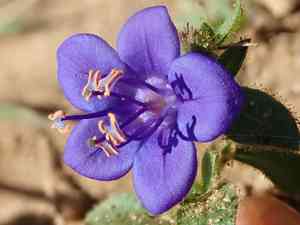
Spiny false fiddleleaf flourishes in damp, boggy environments and benefits from cultivation in humid, organic-rich substrate. When reproducing through seeding, utilize fresh seeds and confirm they are gently blanketed with earth. Preserve steady dampness and warmth to encourage sprouting. Carefully relocate young plants, as disrupting their roots can impede development. For enhanced outcomes, acquire seeds from trustworthy vendors to guarantee their vitality and genuineness.
Optimal Propagation Period for Spiny False Fiddleleaf?
Propagation Method
Seeding
Propagation Period
Spring
Equipment for Spiny False Fiddleleaf Propagation?
Seed Trays
These are vital for germinating spiny false fiddleleaf seeds. They offer a controlled setting where soil moisture is maintained, and young sprouts are easily managed.
Seed Starting Mix
A premium seed starting mix is essential for spiny false fiddleleaf, supplying the necessary nutrients and drainage for initial growth and germination.
Humidity Dome
Humidity domes benefit spiny false fiddleleaf by sustaining high humidity, crucial for seed germination and early seedling growth.
Watering Can with Fine Rose
A watering can with a fine rose ensures gentle, even watering for spiny false fiddleleaf seedlings, minimizing seed displacement or damage to young plants.
Heating Mat
Employing a heating mat can help maintain an ideal soil temperature for spiny false fiddleleaf seed germination, boosting sprouting speed and uniformity.
Grow Lights
Grow lights support the healthy development of spiny false fiddleleaf seedlings by providing ample illumination, especially when natural light is scarce.
Labels and Markers
These are necessary for tracking different stages and batches of spiny false fiddleleaf to ensure proper care and avoid confusion with other plants.
Sterilized Tools
Sterilized tools like tweezers and small spatulas are important for handling spiny false fiddleleaf seeds and seedlings without introducing pathogens.
How to Propagate Spiny False Fiddleleaf?
Propagation Difficulty
Simple
Post-Propagation Care for Your Spiny False Fiddleleaf?
Post-Propagation Care for Your Spiny False Fiddleleaf?
After germination and once seedlings have developed a few true leaves, thin them to prevent overcrowding. Transplant the strongest seedlings into individual pots with well-draining potting mix. Gradually acclimate them to outdoor conditions by exposing them to indirect sunlight for increasing durations before planting in their final spot. Water regularly to keep soil consistently moist, but avoid waterlogging. Monitor for pests and diseases, using organic control methods as needed to maintain the health of spiny false fiddleleaf plants.
Common Errors to Avoid When Propagating Spiny False Fiddleleaf
Overwatering
Excessive moisture can lead to root rot and fungal issues, impeding root development.
Using Subpar Soil
Poor soil quality can lack nutrients and proper drainage, impacting overall plant health and growth.
Insufficient Light
Failure to provide adequate light can result in weak growth and poor root formation.
Incorrect Temperature
Temperature extremes can stress the plant, reducing its ability to establish roots and thrive.
Neglecting Proper Sanitation
Using uncleaned tools and containers can introduce diseases and pests, undermining propagation efforts.
Advice for Propagating Spiny False Fiddleleaf
Well-Draining Soil
Utilize a soil mix that ensures good drainage to prevent waterlogging and support root health.
Consistent Moisture
Maintain a balanced moisture level, keeping the soil moist but not soggy to encourage root growth without causing rot.
Bright, Indirect Light
Position the plant in a spot with bright, indirect light to ensure healthy growth and robust root development.
Stable Environment
Provide a consistent temperature and avoid extremes to create an optimal environment for propagation.
Clean Tools and Containers
Always use sterilized tools and clean containers to prevent disease and pest issues.



