How to Propagate Water poppy?
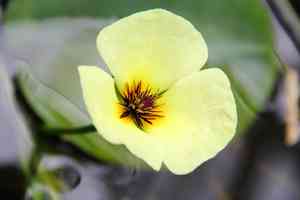
Hydrocleys nymphoides, an appealing aquatic perennial, thrives in ample sunlight and shallow, temperate water. Cultivators can effectively multiply it by obtaining robust cuttings directly beneath the leaf junctions. These segments ought to be placed in thoroughly moistened substrate or submerged directly in water, guaranteeing firmness and exposure to sufficient illumination to encourage root formation. Diligent oversight of water conditions and preservation of a fertile setting will foster robust development and prolific flowering.
Optimal Time for Water Poppy Propagation
Propagation Method
Cutting
Propagation Period
Spring,Summer
Tools for Water Poppy Propagation
Sharp Scissors or Gardening Shears
Crucial for making clean cuts on water poppy during the propagation process. Clean, sharp tools prevent tissue damage, reduce disease risk, and encourage quicker recovery and growth.
Water Trays or Containers
Used to hold water where water poppy cuttings can be placed. As an aquatic plant, maintaining a watery environment is vital for successful rooting of the cuttings.
Rooting Hormone (optional)
Applying a rooting hormone to the cut ends of water poppy can boost root development. This is especially helpful for speeding up growth and increasing the likelihood of successful propagation.
Tweezers or Forceps
Useful for handling small or fragile parts of water poppy during cutting. These tools minimize physical harm to the plant, which is essential for healthy propagation.
How to Propagate Water Poppy?
Propagation Type
Easy
Caring for Newly Propagated Water Poppy
Caring for Newly Propagated Water Poppy
After propagation, water poppy needs minimal yet consistent care to flourish. Keep the water clean by routinely removing debris and managing algae. Supplement with aquatic plant fertilizer during the growing season to support healthy growth and flowering. In colder weather, protect water poppy from frost as they are sensitive to low temperatures and may need relocation to a sheltered indoor space or a heated outdoor pond.
Common Propagation Mistakes for Water Poppy
Overcrowding
Planting water poppy too closely can hinder growth due to limited resources and reduced light penetration, which is crucial for photosynthesis.
Poor Water Quality
Using water with high pollutant levels or an unsuitable pH can stress water poppy, leading to stunted growth or illness.
Overhandling
Excessive manipulation or disturbance of water poppy's roots during planting or propagation can damage delicate tissues, impeding establishment and growth.
Neglecting Debris Removal
Failure to regularly clear decaying plant material and other debris can lead to fungal growth and poor water quality, negatively impacting water poppy's health.
Tips For Propagating Water Poppy
Moderate Planting Density
Ensure adequate spacing between plantlets to promote sufficient light exposure and resource availability, fostering healthier growth.
Maintain Clean Water
Regularly check and maintain water quality, keeping it free from pollutants and within the ideal pH range to support water poppy's growth and reduce stress.
Gentle Handling
Handle water poppy with care during propagation to avoid root damage. This ensures better adaptation and reduces the risk of transplantation shock.
Regular Cleaning
Periodically remove decaying matter and debris from around water poppy to prevent disease and promote a healthy growing environment.



