How to Propagate Panicle hydrangea?
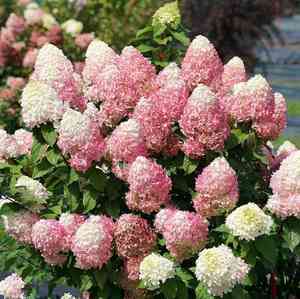
Panicle hydrangea is most effectively reproduced via cuttings during the spring or summer seasons. While it poses a moderate challenge, successful propagation is indicated by the emergence of new shoots and the development of roots. Guarantee appropriate humidity levels and a well-aerated growing medium for the best outcomes.
Optimal Period for Panicle Hydrangea Propagation
Propagation Method
Cutting
Propagation Period
Spring, Summer
Equipment for Panicle Hydrangea Propagation
Sharp Pruning Shears
Accurate cutting instruments, such as sharp pruning shears, are essential for taking cuttings from panicle hydrangea. Their keen blades ensure a clean cut, minimizing harm to the parent plant and the cutting, which could otherwise lead to infection or poor root growth. Shears should be sanitized between uses to prevent disease transmission.
Rooting Hormone
Applying a rooting hormone to the severed end of panicle hydrangea stem cuttings can significantly boost root formation. It contains substances that mimic natural growth hormones, encouraging root development and increasing propagation success rates.
Potting Mix
A well-draining and sterile potting medium offers an ideal environment for panicle hydrangea cuttings to establish roots. The mix should retain sufficient moisture to keep cuttings hydrated but allow excess water to drain, preventing rot.
Propagation Tray
Propagation trays are utilized to hold multiple panicle hydrangea cuttings in a regulated setting. Trays with transparent lids can create a mini-greenhouse effect, maintaining high humidity levels beneficial for cuttings as they develop roots.
Misting Bottle
A misting bottle helps maintain the necessary humidity around panicle hydrangea cuttings and prevents them from drying out. Frequent misting is especially important until the cuttings establish new roots and are able to uptake water efficiently.
Heating Mat
For certain species, including panicle hydrangea, providing warmth from below can enhance rooting success. A heating mat gently warms the soil, promoting faster root growth without overheating the cuttings.
How to Propagate Panicle Hydrangea?
Propagation Method
Cutting
Difficulty Level
Moderately Easy
Caring for Your Newly Propagated Panicle Hydrangea
Caring for Your Newly Propagated Panicle Hydrangea
Once panicle hydrangea cuttings have been successfully propagated and planted, they should be watered regularly to keep the soil evenly moist. Place panicle hydrangea in a location with morning sun and afternoon shade, and ensure protection from strong winds. Gradually acclimate the new panicle hydrangea plants to outdoor conditions if they were propagated indoors. Fertilize with a balanced fertilizer in spring and maintain a 2-3 inch layer of mulch around the base to help retain soil moisture and regulate temperature. Prune panicle hydrangea in late winter or early spring to encourage bushiness and remove any dead or weak stems.
Common Errors to Avoid When Propagating Panicle Hydrangea
Overwatering
Providing too much water can lead to root rot in panicle hydrangea, as their roots require oxygen as well as moisture. Excessive water eliminates air pockets in the soil, suffocating the roots and promoting fungal growth.
Planting depth
Inserting cuttings too deeply into the soil can cause panicle hydrangea stems to rot before they have a chance to root. Proper depth allows the bottom nodes to contact the soil while leaving the majority of the stem and leaves above the surface.
Ignoring hygiene
Using dirty tools or pots can introduce pathogens, hindering the propagation of panicle hydrangea. This can result in infections that might not only prevent rooting but also spread disease to other plants.
Neglecting humidity
Failing to maintain a humid environment for panicle hydrangea cuttings can lead to desiccation and poor root development. Without sufficient humidity, the cuttings may not have adequate moisture to survive until they develop roots.
Overlooking wound treatment
Neglecting to treat the wounds of panicle hydrangea after cutting can introduce diseases and slow down the healing process, reducing the chances of successful propagation.
Tips For Propagating Panicle Hydrangea
Sterilization
Disinfect all tools and containers before using them to propagate panicle hydrangea to prevent the spread of disease.
Moisture balance
Keep the soil consistently moist but not waterlogged to support the rooting of panicle hydrangea cuttings without causing rot.
Cutting selection
Select healthy, non-flowering stems for cuttings. This ensures that energy is directed toward root development rather than flower production.
Rooting hormone
Use a rooting hormone to stimulate root growth in panicle hydrangea cuttings. This can significantly enhance the chances of successful propagation.
Supportive environment
Create a mini-greenhouse effect by covering panicle hydrangea cuttings with a plastic bag or dome to maintain high humidity while allowing for air circulation.



