How to Propagate Smooth hydrangea?
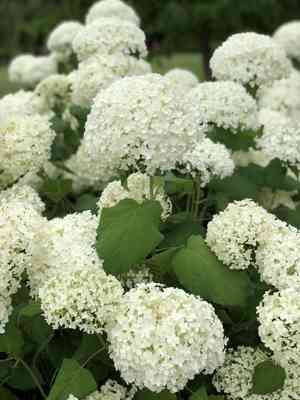
Smooth hydrangea reproduces most effectively via cuttings during the prime periods of spring and summer. It presents a moderate challenge in propagation, with indicators of success being fresh shoots and foliage development. Confirm that stem cuttings possess adequate length and apply rooting stimulant for peak outcomes.
When Is the Best Time to Propagate Smooth Hydrangea?
Propagation Method
Cuttings
Propagation Period
Spring, Summer
What Tools Are Needed for Smooth Hydrangea Propagation?
Pruning Shears
Pruning shears are vital for taking cuttings from mature smooth hydrangea branches. Using sharp, clean shears ensures a precise cut, minimizing harm to the parent plant and the cutting, thereby boosting successful rooting. Sharp shears are particularly beneficial for smooth hydrangea to prevent stem crushing or tearing, which can introduce pathogens and impede healing and rooting.
Rooting Hormone
Rooting hormone, available as powder, liquid, or gel, encourages root development in smooth hydrangea cuttings. It contains synthetic auxins that mimic the plant's natural root-forming hormones, increasing the likelihood of successful root formation. This is especially important for smooth hydrangea, as it can be challenging to root without this added boost.
Sterilizing Solution
A sterilizing solution, such as rubbing alcohol or a 10% bleach solution, is crucial for cleaning pruning shears before and after taking smooth hydrangea cuttings. Disinfecting tools prevents disease transfer between plants or to the cutting itself, supporting the overall health and viability of the propagated smooth hydrangea.
Soilless Potting Mix
A light, well-draining soilless potting mix is necessary for the initial planting of smooth hydrangea cuttings. This medium is pathogen-free and provides an ideal environment for root development, with ample aeration and moisture retention, which are critical for the delicate rooting stage of smooth hydrangea.
Propagation Tray
A propagation tray with a humidity dome creates a controlled environment for smooth hydrangea cuttings. It maintains high humidity and stable temperatures, conditions essential to prevent cuttings from drying out before rooting. The tray also allows for simultaneous propagation of multiple cuttings.
Heating Mat
A heating mat gently warms the base of the propagation tray, providing optimal root growth temperatures for smooth hydrangea. Consistent warmth can significantly improve rooting success rates, especially important for species like smooth hydrangea that benefit from a slightly warmer rooting environment.
How to Propagate Smooth Hydrangea?
Propagation Method
Cuttings
Difficulty Level
Moderately Easy
How to Care for Your Newly Propagated Smooth Hydrangea?
How to Care for Your Newly Propagated Smooth Hydrangea?
After propagation, gradually acclimate the new smooth hydrangea plants to environmental conditions by reducing humidity and increasing air circulation. Water plants when the top inch of soil feels dry, and fertilize with a balanced, slow-release fertilizer. Ensure they are planted in a location with partial to full sun and protected from harsh afternoon sunlight. Mulch around the base to retain moisture and regulate soil temperature. Prune smooth hydrangea annually to maintain shape and encourage vigorous growth.
Common Mistakes to Avoid When Propagating Smooth Hydrangea
Improper stem section selection
Choosing stem sections that are either too young or too old for cuttings can result in unsuccessful rooting. Stems that are too young may lack sufficient strength for new root growth, while overly mature ones might not effectively generate new roots.
Incorrect cutting length
Cuttings that are either too short or too long can disrupt the balance between the foliage and the developing root system. An optimal cutting length ensures the cutting can sustain itself and grow roots without undue stress.
Overcrowding cuttings
Placing too many cuttings in the same pot or rooting medium can lead to competition for resources, resulting in weaker growth or rooting failure. Adequate space is crucial for developing a healthy root system.
Neglecting sanitation
Failing to sterilize cutting tools or using unsanitized pots and rooting medium can introduce pathogens, potentially causing disease and reducing the chances of successful propagation.
Overwatering or underwatering
Maintaining improper moisture levels can be harmful. Overwatering can cause rot, while underwatering can lead to desiccation of cuttings before they have a chance to root.
Tips For Propagating Smooth Hydrangea
Optimal cutting size and section
Select semi-hardwood cuttings approximately 4-6 inches long with several leaf nodes. These are typically taken from the current year's growth and possess a balance of flexibility and firmness conducive to rooting.
Pre-rooting treatment
Dip the base of the cuttings in a rooting hormone powder or liquid to stimulate root growth and improve rooting success rates. This is especially helpful for smooth hydrangea as it can enhance the plant's natural rooting ability.
Appropriate spacing
Space the cuttings in the rooting medium to ensure each has ample room to grow without competition, which aids in developing a robust root system for each smooth hydrangea cutting.
Maintain sanitation
Use clean, sterilized cutting tools and containers to prevent disease transmission. Disease management is crucial for the health and success of smooth hydrangea propagation.
Proper watering technique
Keep the rooting medium consistently moist but not waterlogged. A balance must be maintained to provide sufficient moisture for smooth hydrangea cuttings to root without causing decay or fungal issues.



