How to Propagate Spanish bluebell?
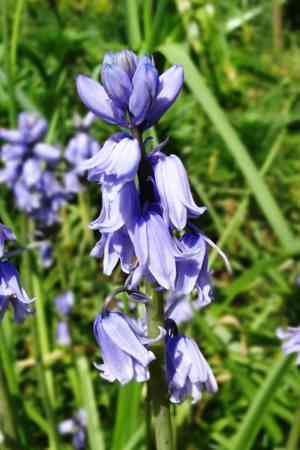
The most effective way to propagate spanish bluebell is by utilizing its tubers, a process readily accomplished in the springtime. This propagation technique is typically uncomplicated, with the emergence of fresh shoots signaling successful development. Ensure sufficient drainage and ample room are provided to facilitate peak growth.
Optimal Time for Spanish Bluebell Propagation
Propagation Method
Utilize The Tubers
Propagation Period
Spring
Tools Required for Spanish Bluebell Propagation
Garden Trowel
A garden trowel is crucial for excavating and lifting spanish bluebell tubers without causing damage. Its design allows for precise soil removal around the tubers, and its ergonomic handle ensures comfort during use.
Sharp Knife
A clean, sharp knife is employed to divide tubers when necessary. This ensures a clean cut, helping to prevent disease and promoting quicker healing and growth post-division.
Potting Mix
A premium potting mix offers the essential nutrients and drainage for spanish bluebell tubers to flourish. It typically contains a balanced blend of peat, compost, and vermiculite or perlite, fostering robust root development.
Planting Pots
Planting pots are used for starting tubers indoors or for container cultivation. They must have drainage holes to prevent waterlogging, which is vital for spanish bluebell's health.
Watering Can with a Fine Rose
A watering can equipped with a fine rose attachment gently irrigates the tubers, ensuring even moisture distribution without disturbing the soil or causing erosion around newly planted tubers.
Gloves
Gardening gloves safeguard hands when handling soil and tubers. They also provide a better grip on tools and plants while minimizing the risk of spreading soil-borne pathogens.
Plant Labels and Marker
Plant labels, marked with a waterproof marker, aid in identifying spanish bluebell tubers once planted, especially when propagating multiple varieties or species.
How to Propagate Spanish Bluebell
Propagation Method
Utilize The Tubers
Difficulty Level
Easy
Caring for Newly Propagated Spanish Bluebell
Caring for Newly Propagated Spanish Bluebell
Once spanish bluebell is planted, it needs minimal attention. Water the plant regularly to maintain consistently moist soil until it establishes. After the initial season, spanish bluebell will likely require less water, as they are relatively drought-tolerant. Fertilize in early spring with a balanced fertilizer before foliage emerges. Post-blooming, allow leaves to naturally die back as they provide energy for the following year's growth. Divide bulbs every few years to prevent overcrowding and encourage more vigorous blooming.
Common Errors to Avoid When Propagating Spanish Bluebell
Overwatering
Excessive watering of spanish bluebell can lead to root rot, compromising the plants' health and growth. Overly moist conditions promote fungal development that impacts the bulbs.
Deep planting
Planting spanish bluebell bulbs too deeply can hinder their growth as they may struggle to emerge. The extra effort to reach the surface could deplete the plant's resources.
Crowding bulbs
Planting spanish bluebell bulbs too close together can result in competition for nutrients and space, potentially inhibiting their growth and reducing flower size.
Ignoring soil condition
Spanish bluebell prefers well-drained soil, and failing to ensure proper drainage can negatively impact bulb health, leading to poor growth or disease.
Tips For Propagating Spanish Bluebell
Bulb division
Dividing the bulbs every few years promotes rejuvenation and increases the propagation success rate of spanish bluebell by preventing overcrowding.
Appropriate depth
Plant spanish bluebell bulbs approximately four inches deep to provide them with the best chance for growth, ensuring they are neither too shallow nor too deep.
Spacing
Space spanish bluebell bulbs about three inches apart. This spacing allows for optimal root expansion and access to nutrients, promoting vigorous growth.
Soil preparation
Prepare the site for spanish bluebell with well-draining soil enriched with organic matter, which will promote healthy root development and improve flowering performance.



