How to Propagate Common hop?
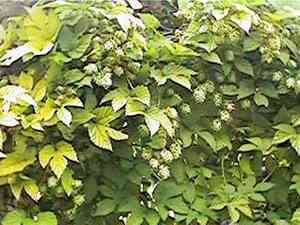
The common hop plant can be readily propagated using herbaceous cuttings, yielding optimal outcomes in the spring and summer periods. Indicators of successful propagation encompass the emergence of fresh roots and new shoots. A crucial recommendation for propagating common hop involves verifying that the cutting is robust and sourced from a well-established plant.
When Is the Best Time to Propagate Common Hop?
Propagation Method
Cutting
Propagation Period
Spring, Summer
What Tools Are Used in Common Hop Propagation?
Sharp Pruning Shears
These are utilized for taking common hop cuttings with precision, minimizing harm to the parent plant. Sharp blades ensure a clean cut, promoting better healing and reducing infection risk.
Rooting Hormone
Applied to the cut end of common hop cuttings to stimulate root growth. This boosts the success rate of cuttings taking root by encouraging root cell development.
Sterile Potting Mix
A clean, well-draining substrate is crucial for planting common hop cuttings. It lowers the risk of fungal or bacterial infections, which can hinder the propagation process.
Propagation Trays
Used to house common hop cuttings in a stable environment where humidity and temperature can be regulated to encourage rooting. These trays often have domes to retain moisture, a key factor for cutting success.
Heat Mat
Placed beneath propagation trays to maintain a consistent, ideal temperature for root development in common hop cuttings, especially in cooler climates or during colder months.
Moisture Meter
Ensures the potting mix in propagation trays maintains the perfect moisture level for common hop cuttings, preventing overwatering which can lead to rot.
How to Propagate Common Hop?
Propagation Method
Cutting
Difficulty Level
Easy
How to Care for Your Newly Propagated Common Hop?
How to Care for Your Newly Propagated Common Hop?
Following successful propagation, common hop plants need support for upward growth, such as a trellis or strings, as they are climbing plants. They prefer well-drained soil with consistent moisture, benefit from regular watering, especially during dry periods, and require full sun for optimal development. Fertilize young plants with a balanced, slow-release fertilizer suitable for common hop. Monitor for common hop pests and diseases, treating them as needed. Prune dead or damaged shoots to maintain plant health and encourage new growth.
Common Mistakes to Avoid When Propagating Common Hop
Ignoring rooting medium conditions
Failing to ensure proper moisture and texture of the rooting medium can result in root rot or poor root development. Common hop needs a well-drained medium that retains enough moisture for root growth without becoming waterlogged.
Overcrowding cuttings
Placing cuttings too close together can reduce air circulation and increase humidity, fostering fungal diseases. Adequate spacing is vital for common hop to minimize disease risk and ensure healthy root development.
Neglecting to sterilize equipment
Not sterilizing pruning tools before taking cuttings can introduce pathogens to common hop wounds, leading to infections and poor propagation outcomes.
Incorrect cutting length
Cuttings that are too short or too long may struggle to root or sustain themselves. Ideal cutting lengths ensure common hop can focus energy on root development.
Forgetting to remove lower leaves
Leaving lower leaves on cuttings can cause fungal issues due to excess moisture, as these leaves may touch the soil or rooting medium. Removing them encourages common hop to direct more energy into root development.
Tips For Propagating Common Hop
Use healthy parent plants
Ensuring the parent plant is healthy and disease-free is crucial, as it increases the likelihood of successful propagation and the vigor of common hop.
Optimal rooting hormone use
Selecting the correct concentration and type of rooting hormone can significantly enhance root development in common hop cuttings.
Adequate humidity control
Maintaining balanced humidity levels is essential for common hop, as it helps prevent dehydration while minimizing the risk of fungal diseases.
Regular monitoring
Periodically checking on the progress of common hop cuttings aids in early detection of potential issues like disease or poor rooting, allowing for prompt corrective actions.
Proper aftercare
Once common hop is successfully propagated, providing appropriate aftercare, including gradual hardening off and acclimatization to outdoor conditions, is vital for establishment and growth.



