How to Propagate Porcelainflower?
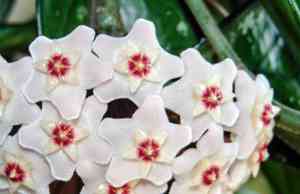
The Porcelainflower plant can be multiplied using soft stem sections, with spring and summer being the most suitable periods. The process of propagation is straightforward, and successful rooting is indicated by the emergence of roots on the cutting or the appearance of fresh foliage. Essential advice for propagation involves applying a rooting stimulant and ensuring the growing medium remains damp yet adequately drained.
Optimal Period for Porcelainflower Propagation
Propagation Method
Cuttings
Propagation Period
Spring, Summer
Equipment for Porcelainflower Propagation
Sharp Pruning Shears
Crucial for making clean cuts without harming the parent porcelainflower plant or the cuttings. Clean cuts facilitate quicker healing and lessen disease risk. Sterilize shears before use to prevent pathogen spread.
Rooting Hormone
Boosts the probability of successful root formation. It encourages root development on porcelainflower cuttings, especially beneficial for this species due to its semi-woody stem structure.
Sterilized Potting Mix
Offers a germ-free environment for new porcelainflower roots to grow. A well-draining mix helps prevent root rot and supports robust root development.
Pots with Drainage Holes
Allows for proper water runoff, essential for porcelainflower cuttings to avoid over-watering and root rot, while also providing aeration to the developing roots.
Plastic Bags or Propagation Dome
Generates a mini-greenhouse effect by keeping high humidity around the porcelainflower cuttings, which is vital to prevent them from drying out before rooting.
Heating Mat (Optional)
Maintains a steady temperature to encourage root growth. The warmth can accelerate rooting in porcelainflower cuttings that might otherwise take longer in cooler conditions.
How to Propagate Porcelainflower?
Propagation Method
Cutting
Difficulty Level
Easy
Caring for Your Newly Propagated Porcelainflower
Caring for Your Newly Propagated Porcelainflower
After successful porcelainflower propagation, nurture the young plant by maintaining a stable, high-humidity environment. Water when the top inch of soil feels dry, and provide bright, indirect light. Fertilize with a balanced, water-soluble feed every few weeks during the growing season. Keep temperatures between 60-80°F (15-26°C) and avoid cold drafts. Gradually acclimatize the new porcelainflower to lower humidity by opening the plastic covering more frequently over several weeks. Monitor the porcelainflower for any signs of stress and adjust care as needed.
Common Errors to Avoid When Propagating Porcelainflower
Overwatering cuttings
Excessive water can lead to rot, especially at the nodes where new roots are expected. This can cause rooting failure and fungal infections.
Using unsterilized tools
Propagating with unclean tools can introduce pathogens to cuttings. This increases disease risk, which can destroy delicate new growth and hinder propagation efforts.
Cutting improperly
An angled cut or a cut too far from a node can result in insufficient rooting material. Nodes are where roots emerge; incorrect cutting may miss these crucial areas.
Removing too many leaves
While some leaf removal is necessary to prevent moisture loss, taking too many can deprive porcelainflower of the energy needed for root development, leading to poor propagation outcomes.
Ignoring humidity needs
Porcelainflower cuttings require a high-humidity environment to root effectively. Neglecting this can cause cuttings to dry out before they can establish roots.
Tips For Propagating Porcelainflower
Water management
Maintain balanced soil moisture. The medium should be moist but not waterlogged to promote healthy root growth without risking rot.
Use of rooting hormone
Applying rooting hormone can stimulate root growth. While not mandatory, it can enhance the rooting success of porcelainflower cuttings.
Proper node inclusion
Ensure cuttings include at least one or two nodes, as these are the points from which roots will grow. Cutting just below a node can increase the chances of successful root formation.
Maintain adequate leaves
Keep a couple of leaves on the cuttings to sustain photosynthesis, which is crucial for supplying energy during the rooting process.
Humidity control
Create a mini greenhouse by covering the cuttings with a plastic bag or container, ensuring ventilation to increase humidity and aid in root development.



