How to Propagate Japanese raisin tree?
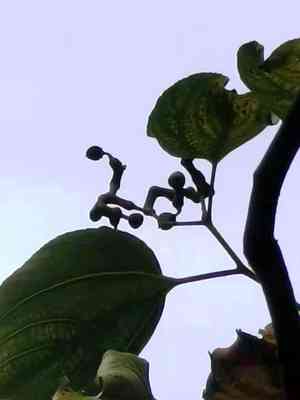
Hailing from East Asia, japanese raisin tree is valued for its decorative qualities and sugary produce. For multiplying japanese raisin tree, utilizing cuttings is an effective method. Obtain semi-hardened segments from a robust parent specimen, making sure the severed ends are coated with a rooting stimulant to foster development. Position the cuttings in rich, permeable soil under filtered light and sustain uniform dampness. Root establishment and plant progression are typically robust, ensuring successful propagation when proper methods are employed.
Optimal Period for Japanese Raisin Tree Propagation
Propagation Method
Cutting
Propagation Period
Autumn,Winter
Tools Required for Japanese Raisin Tree Propagation
Sharp Pruning Shears
Crucial for making clean, precise cuts during the japanese raisin tree cutting process. Sharp blades minimize harm to both the parent and new plants, boosting rooting success and lowering disease risk.
Rooting Hormone Powder
Enhances the success rate of rooting by stimulating root development in japanese raisin tree stem cuttings. This is especially helpful for woody plants like japanese raisin tree, which might otherwise struggle to root effectively.
Sterile Potting Mix
Offers a clean, well-draining medium for japanese raisin tree cuttings, vital for preventing fungal infections and promoting air circulation around developing roots. The absence of pathogens supports healthy root growth.
Humidity Dome or Plastic Cover
Maintains a high-humidity environment around japanese raisin tree cuttings, essential for preventing them from drying out before roots can form. Consistent moisture levels are key for successful propagation.
Heat Mats
Optional but beneficial, particularly in cooler climates, for maintaining an ideal soil temperature to encourage root growth in japanese raisin tree's cuttings. Consistent warmth can significantly accelerate the rooting process for temperate species like japanese raisin tree.
How to Propagate Japanese Raisin Tree?
Propagation Difficulty
Moderately Difficult
Post-Propagation Care for Your Japanese Raisin Tree
Post-Propagation Care for Your Japanese Raisin Tree
Once roots are established, gradually introduce the young japanese raisin tree to drier conditions by progressively opening the plastic cover over a week. Transfer it to a larger container or a suitable outdoor spot if conditions allow. Keep the soil moist and provide partial to full sunlight. Regular trimming will help maintain its form and encourage healthier growth. Monitor for pests or diseases and treat as needed to ensure robust development.
Common Errors to Avoid When Propagating Japanese Raisin Tree
Ignoring rootstock health
Utilizing unhealthy or diseased rootstock for japanese raisin tree grafting can result in poor graft union and, consequently, unsuccessful propagation.
Overwatering cuttings
japanese raisin tree cuttings can rot if given too much water, depriving them of the necessary oxygen for root development.
Planting seeds too deeply
japanese raisin tree seeds sown too deep may struggle to germinate due to insufficient light and air exchange.
Neglecting hygiene
Failing to sterilize tools or containers can introduce pathogens to japanese raisin tree, jeopardizing the health of cuttings or seedlings.
Tips for Propagating Japanese Raisin Tree
Select healthy scion wood
Choosing vigorous, disease-free scions from japanese raisin tree increases the likelihood of successful grafting.
Maintain humidity for cuttings
Keeping a high-humidity environment for japanese raisin tree cuttings helps prevent them from drying out before they can develop roots.
Sow seeds shallowly
Lightly cover japanese raisin tree seeds with soil to ensure proper germination, as they require sufficient light exposure.
Use fresh seeds
Plant japanese raisin tree seeds soon after harvest for higher germination rates, as their viability diminishes over time.
Practice sanitation
Always use sterile tools and pots when propagating japanese raisin tree to minimize the risk of disease.



