How to Propagate Rubber tree?
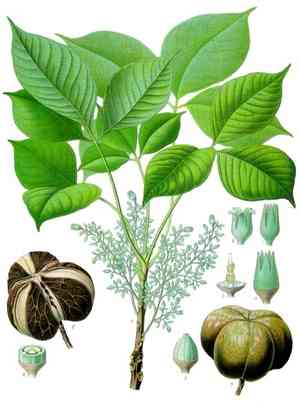
The primary method for propagating the rubber tree involves using cuttings. For successful propagation of the rubber tree, it is essential to choose robust, pathogen-free sections. These sections are best acquired from the established, fruitful portions of the parent specimen to increase the probability of thriving development. A gentle coating of rooting stimulant on the severed ends can be advantageous before they are placed into well-draining, nutrient-rich substrate. Steady hydration and warmth will facilitate the root formation process, leading to a vigorous new specimen.
Optimal Period for Rubber Tree Propagation
Propagation Method
Cutting
Propagation Season
Autumn,Winter
Tools Required for Rubber Tree Propagation
Sharp Pruning Shears
These are crucial for making clean, precise cuts when propagating rubber tree via cuttings. Sharp blades ensure a smooth incision, minimizing harm to the parent plant and the cutting, which is vital for fostering healthy root growth on the new rubber tree.
Rooting Hormone
This chemical compound encourages root development from rubber tree cuttings. Applying rooting hormone to the freshly cut base of rubber tree significantly boosts the chances of successful root formation, thereby improving the overall propagation success rate.
Sterilizing Agent (e.g., Isopropyl Alcohol or Bleach Solution)
Used to sanitize pruning shears and other tools before and after cutting rubber tree. This practice helps prevent the spread of diseases and infections between plants, which is essential for maintaining the health and viability of both the parent plant and the cuttings.
Clean Pots with Drainage Holes
These containers are used for planting the new rubber tree cuttings. Ensuring that the pots have adequate drainage is crucial for preventing waterlogging, which can lead to root rot and other moisture-related issues in rubber tree during the rooting phase.
Well-Draining Potting Mix
A well-draining potting mix supports the initial growth of rubber tree by providing necessary aeration and moisture regulation. The medium should allow easy root penetration while retaining enough moisture to facilitate growth without becoming waterlogged.
Misting Bottle
This tool is used to gently provide moisture to rubber tree cuttings without saturating the soil. Regular misting helps maintain optimal humidity around the cuttings, encouraging their growth and establishment in a new environment.
How to Propagate Rubber Tree?
Propagation Difficulty
Moderately Difficult
Caring for Your Newly Propagated Rubber Tree
Caring for Your Newly Propagated Rubber Tree
Once rubber tree cuttings have developed roots and show new growth, gradually introduce them to less humid conditions if they are to be moved outdoors. Maintain a consistent watering schedule, allowing the top inch of soil to dry out between waterings. Provide rubber tree with bright, indirect light and occasional feeding with a balanced, water-soluble fertilizer. Monitor for pests and diseases, treating as needed to keep the plant healthy.
Common Errors to Avoid When Propagating Rubber Tree
Using inadequate cutting size
Small cuttings of rubber tree often struggle to establish. Insufficient leaf area can hinder photosynthesis, while overly small stem sections may lack enough stored energy to support root development.
Overwatering cuttings
Moisture is vital, but excessive watering of rubber tree cuttings can lead to rot. Roots need both water and air to grow; too much water displaces air and creates anaerobic conditions, harming delicate new roots.
Insufficient light
Rubber tree's cuttings require bright, indirect light to flourish. Inadequate light slows down photosynthesis, reducing the energy available for root formation and growth.
Advice for Propagating Rubber Tree
Use healthy parent plants
Ensure that the parent plant of rubber tree is healthy and free from pests or diseases. This increases the likelihood of vigorous cuttings that root successfully and grow strong.
Appropriate cutting length
Cuttings should typically be about 4-6 inches long with several leaves. A proper size helps maintain a balance between leaf area and stem length, promoting effective photosynthesis and root growth.
Moderate watering regimen
Maintain a damp, but not soggy, environment for the cuttings of rubber tree. Use a spray bottle to mist the soil and maintain humidity, helping to encourage root development without overwatering.



