How to Propagate Coral bells?
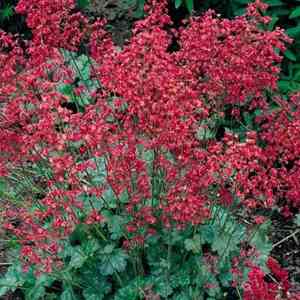
Heuchera is a adaptable, shade-preferring perennial valued for its vibrant leaves and dainty blossoms. It flourishes optimally in soil that drains well and is abundant in organic material. For successful propagation of heuchera, obtain stem sections and guarantee a precise incision to prevent disease. Employ rooting stimulant to foster development, placing them in a damp, soil-free substrate until roots emerge. Careful manipulation of the fragile roots is crucial when relocating the young specimens to their permanent spot. With appropriate attention, heuchera will develop a strong root network, enhancing the plant's general well-being and lifespan.
When Is the Optimal Time to Propagate Coral Bells?
Propagation Method
Cutting
Propagation Period
Spring,Summer
What Equipment Is Used in Coral Bells Propagation?
Sharp Pruning Shears
These are crucial for making clean, precise cuts from coral bells. Sharp blades help ensure that the cuts are not jagged, which can significantly impact the health of the cuttings by minimizing stress and damage to the tissues. This clean cut is vital for promoting better root development during the cutting propagation process.
Rooting Hormone Powder
This hormone aids in stimulating root growth more quickly and effectively once the cutting of coral bells is planted. It increases the chances of successful rooting by enhancing the plant's natural rooting process, which is crucial for the survival and stability of new plants.
Sterilized Potting Mix
Utilizing a sterilized potting mix ensures that the medium is free from pathogens that could harm coral bells. It provides a safe and nurturing environment for the cuttings to develop roots, which is key to successful propagation.
Small Pots or Trays
These containers are used to plant the freshly cut stems of coral bells. It's important that they offer adequate drainage and space for the new roots to grow without being waterlogged or constrained, thus supporting healthy plant development after cutting.
Plant Labels and Marker
Labels are crucial for keeping track of the variety of coral bells being propagated, especially when propagating multiple varieties. Proper labeling helps in monitoring their growth progress and conditions, ensuring each gets the appropriate care.
How to Propagate Coral Bells?
Propagation Type
Easy
How to Care for Your Newly Propagated Coral Bells?
How to Care for Your Newly Propagated Coral Bells?
After propagation, gradually acclimate the new coral bells plants to less humid conditions by removing the plastic covering over a few days. Once rooted firmly, which typically takes a few weeks, transition them to their final growing location. Coral bells prefers partial shade and well-draining soil that is rich in organic matter. Regular watering to keep the soil moist but not soggy and occasional feeding with a balanced, slow-release fertilizer will help in the robust growth of coral bells.
Common Mistakes to Avoid When Propagating Coral Bells
Overwatering cuttings
Excessive watering can lead to root rot, making it difficult for new coral bells cuttings to establish their own root system. Saturated soil lacks sufficient air, which roots need to develop properly.
Using Soil with Poor Drainage
Planting coral bells cuttings in soil that doesn't drain effectively can cause water to accumulate around the roots, increasing the risk of fungal diseases.
Neglecting Humidity for Cuttings
Ignoring the humidity needs of coral bells can result in desiccation and poor root development, as cuttings require a humid environment to thrive during the early stages of propagation.
Taking Cuttings from Unhealthy Plants
If cuttings are taken from diseased or stressed parent coral bells plants, the propagation success rate will be low due to the poor health of the cuttings.
Planting Cuttings too Deep
Placing coral bells cuttings too deep in the growth medium can lead to stem rot, as it creates an environment with poor air circulation and excessive moisture.
Tips For Propagating Coral Bells
Use Healthy Parent Plants
Always select vigorous and healthy coral bells plants to take cuttings from as they provide the best chance for successful rooting and growth.
Maintain Proper Humidity
Keep the environment around the coral bells cuttings humid but not soaked, using misting or a propagation dome to prevent them from drying out.
Provide Good Drainage
Ensure the potting mix for coral bells allows for good drainage to prevent waterlogged conditions that can lead to root diseases.
Apply Rooting Hormone Correctly
Using a rooting hormone can increase the chances of successful coral bells propagation, but it should be applied judiciously, adhering to the recommended dosage for best results.
Monitor Watering Needs
Water coral bells cuttings carefully to maintain consistent moisture without causing waterlogging, thus avoiding root rot while promoting healthy root growth.



