How to Propagate Stinking hellebore?
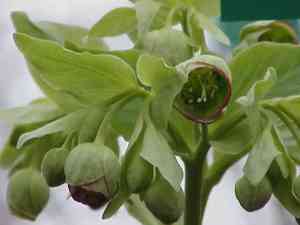
Helleborus foetidus is most effectively propagated from stem sections throughout the spring and summer seasons. This propagation method is typically straightforward, with the emergence of new growth serving as a clear indicator of success. Maintain consistent moisture for the cuttings and provide diffused light to encourage robust development.
Optimal Period for Stinking Hellebore Propagation
Propagation Method
Cutting
Propagation Period
Spring, Summer
Essential Tools for Stinking Hellebore Propagation
Sharp Pruning Shears
Sharp pruning shears are vital for taking cuttings from stinking hellebore. They ensure a clean, precise cut, minimizing damage to the parent plant and boosting rooting success. A clean cut reduces disease risk and promotes faster healing.
Rooting Hormone
Rooting hormone is applied to the base of stinking hellebore cuttings to stimulate root development. It contains synthetic auxins that mimic the plant's natural growth hormones, significantly increasing the likelihood of successful root formation.
Sterile Potting Mix
A sterile potting mix offers a clean, pathogen-free environment for stinking hellebore cuttings to root. Good drainage and aeration are crucial to prevent rot and support the initial growth of new roots.
Propagation Tray with Dome
A propagation tray with a clear dome cover creates a controlled, high-humidity environment ideal for rooting stinking hellebore cuttings. The dome helps retain moisture and warmth, both beneficial for root initiation and growth.
Heat Mat
A heat mat gently warms the base of the propagation tray, encouraging faster root development for stinking hellebore cuttings. Consistent bottom heat can be particularly effective in stimulating growth in cooler environments.
Spray Bottle
A spray bottle is used to lightly mist the cuttings and soil surface, maintaining high humidity without overwatering. This is critical for preventing desiccation of stinking hellebore cuttings as they establish roots.
How to Propagate Stinking Hellebore
Propagation Method
Cutting
Difficulty Level
Easy
Caring for Your Newly Propagated Stinking Hellebore
Caring for Your Newly Propagated Stinking Hellebore
After propagation, newly rooted stinking hellebore should be carefully monitored and kept in indirect sunlight as it grows. Gradually increase outdoor exposure if propagated indoors. Ensure regular watering, but avoid oversaturation, as stinking hellebore prefers moist, well-drained soil. As a hardy perennial, stinking hellebore tolerates various conditions but needs protection from excessive wetness or extreme dryness. Fertilize with a balanced, diluted fertilizer during the growing season. Once established, stinking hellebore can be transplanted to a permanent garden spot, ideally in partial shade with wind protection. Stinking hellebore requires minimal pruning, naturally maintaining a neat form, but remove any dead or damaged foliage to keep the plant healthy and attractive.
Common Propagation Mistakes for Stinking Hellebore
Overwatering
Propagating stinking hellebore demands careful water management. Excessive water can lead to root rot, which is detrimental as the plant's roots are highly susceptible to fungal infections when waterlogged.
Deep planting
When planting stinking hellebore seedlings or divisions, placing them too deep can cause stem rot. This error can result in poor root development and reduced survival rates.
Overcrowding
Sowing stinking hellebore seeds too closely or placing divisions near each other can hinder growth due to competition for nutrients, light, and air circulation, increasing disease susceptibility.
Neglecting hygiene
Using unsterilized tools or pots can introduce pathogens, potentially leading to diseases that impede stinking hellebore's growth. Good hygiene is crucial to avoid contaminating propagation material.
Tips for Propagating Stinking Hellebore
Bottom heat
Applying gentle bottom heat can encourage root growth in stinking hellebore cuttings, providing a more favorable environment for root development without excessively drying out the cutting.
Site selection
Choose a well-drained location with dappled sunlight for planting stinking hellebore, as it thrives in such conditions, avoiding issues associated with waterlogged soil and excessive shade.
Soil medium
Use a well-draining soil mix rich in organic matter for stinking hellebore propagation. This supports healthy root growth and provides necessary nutrients without retaining excess water.
Patience with seeds
Understand that stinking hellebore seeds may take a long time to germinate, sometimes not until the second spring after sowing. Patience is key; avoid discarding the pot too soon, assuming the seeds are not viable.



