How to Propagate Heliotrope?
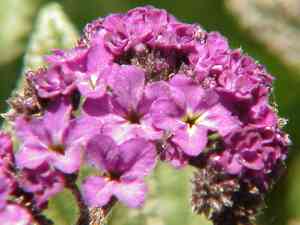
Heliotrope is a highly valued plant due to its aromatic, vibrant flowers and its straightforward cultivation. The most appropriate method for propagation involves taking cuttings, specifically by snipping healthy, non-blooming stems and applying rooting compound to the severed ends for best outcomes. Insert the prepared cuttings into a well-draining substrate, ensure sufficient hydration, and offer diffused light to encourage root development. This technique efficiently replicates heliotrope, guaranteeing genetic uniformity and vigorous new plants.
Optimal Period for Heliotrope Propagation
Propagation Method
Cutting
Propagation Season
Spring,Summer
Tools for Heliotrope Propagation
Sharp Pruning Shears
These are vital for obtaining clean, precise cuttings from the parent heliotrope plant. Sharp blades ensure a smooth cut, minimizing tissue damage, which is key for healthy root development once planted.
Rooting Hormone
This chemical compound encourages root formation from heliotrope cuttings. Applying it to the freshly cut stem base boosts the likelihood of successful rooting, improving the overall propagation rate.
Sterile Potting Mix
An essential medium for offering a clean, nourishing environment for heliotrope cuttings. Sterile mix is free of pathogens and weeds, lowering disease risk during the vulnerable root development stage.
Propagation Tray with Dome
This tool helps maintain ideal humidity and temperature for heliotrope cuttings. The dome creates a mini-greenhouse effect, crucial for keeping cuttings moist and promoting root growth.
Watering Can with a Fine Rose
Ensures gentle watering of heliotrope cuttings, preventing soil displacement around delicate new roots. The fine spray distributes water evenly, providing hydration without causing erosion or compaction.
Heliotrope Propagation Guide
Propagation Difficulty
Easy
Post-Propagation Care for Heliotrope
How to Care for Your Newly Propagated Heliotrope?
Once the heliotrope cutting has rooted, gradually introduce it to normal conditions by removing the plastic cover for longer periods daily over a week. Then, repot it into a larger container with fresh potting mix. Place heliotrope in a sunny spot and water regularly, allowing the top inch of soil to dry between waterings. Fertilize monthly with a balanced, water-soluble fertilizer during the growing season. Prune heliotrope to encourage bushiness and deadhead spent flowers for continuous blooming.
Common Errors to Avoid When Propagating Heliotrope
Overwatering cuttings
Excessive watering of heliotrope cuttings can lead to rot before proper rooting. Too much water reduces available oxygen in the soil, which is vital for new root formation.
Using non-sterile tools and containers
Unsterilized tools and containers can introduce harmful pathogens to heliotrope cuttings, increasing disease risk and potentially causing propagation failure.
Insufficient lighting
Too little light can result in weak, leggy growth, while excessive direct light can scorch delicate heliotrope cuttings or seedlings.
Ignoring humidity requirements
Heliotrope needs high humidity to aid the rooting process. Failing to maintain a humid environment can cause cuttings to dry out before rooting.
Heliotrope Propagation Advice
Utilize a rooting hormone
Applying a rooting hormone to heliotrope cuttings can stimulate root development and enhance the likelihood of successful propagation.
Select healthy parent plants
Choosing cuttings from robust, disease-free heliotrope plants ensures a higher success rate, as these cuttings possess the best genetic potential for growth and health.
Provide bottom heat
Maintaining gentle bottom heat can accelerate root development in heliotrope cuttings without the dehydration risk associated with overly warm ambient temperatures.
Carefully monitor moisture levels
Keep heliotrope soil moist but not waterlogged. Consistent monitoring helps maintain the delicate balance required for optimal root development.



