How to Propagate Parrot's beak?
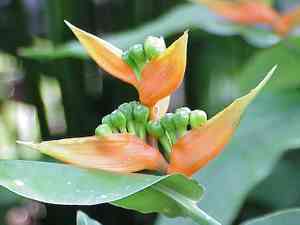
Parrot's beak is valued for its vivid blossoms and abundant leaves, establishing it as a favored selection for decorative horticulture. For successful multiplication, separation is advised. Gently divide the rhizomes, making sure each segment possesses a minimum of one growth point. Embed these portions in soil that drains effectively, preserving suitable dampness and warmth to foster root formation. By considering regional weather and moisture demands, cultivators can anticipate thriving development from these separated parts.
Optimal Time for Parrot's Beak Propagation
Propagation Method
Splitting
Propagation Period
Spring,Autumn
Tools for Parrot's Beak Propagation
Sharp, Sterilized Knife or Pruning Shears
These are crucial for making clean, safe cuts through the rhizomes of parrot's beak during the division process. A sharp tool ensures minimal tissue damage and reduces disease risk. Sterilization prevents pathogen spread.
Spade or Garden Fork
Used to carefully excavate parrot's beak without harming its root system. A spade or fork allows for gentle soil lifting around the roots, aiding safe removal for division.
Rooting Hormone (optional)
Though not always required, applying rooting hormone to the cut surfaces of parrot's beak's rhizomes can boost root development in new sections. This improves propagation success, especially for weaker divisions.
Watering Can or Hose with a Soft Spray Setting
Proper watering is vital after replanting parrot's beak divisions. A soft spray ensures gentle water distribution, preventing disturbance of new plantings while providing adequate hydration for root establishment.
Potting Mix or Garden Soil
Suitable soil preparation is key for successful establishment of propagated parrot's beak. A rich, well-draining potting mix or fertile garden soil promotes healthy root growth and overall plant vigor.
Labels and Marker
Labeling each division with the date and plant type helps track parrot's beak's growth and health over time. This organizational aid assists in proper care and evaluating propagation outcomes.
How to Propagate Parrot's Beak?
Propagation Type
Simple
Caring for Your Newly Propagated Parrot's Beak
Caring for Your Newly Propagated Parrot's Beak
Post-propagation, maintain consistent soil moisture without waterlogging, as parrot's beak prefers well-drained conditions. Position the plant in partial to full sunlight. Fertilize every few months with a balanced, slow-release product to support healthy growth. Monitor for pests and diseases, treating them promptly to ensure parrot's beak's health.
Common Errors to Avoid When Propagating Parrot's Beak
Overwatering
Excessive watering can cause root rot and fungal issues, severely damaging or killing parrot's beak. Its rhizomes are susceptible to rotting in soggy soil.
Using Poor Soil Mix
An inadequate soil mix that lacks proper drainage can suffocate parrot's beak's roots, hindering growth and leading to health problems like root rot.
Excessive Handling
Frequent handling or disturbing the rhizomes can stress parrot's beak, impeding its ability to establish and grow after propagation.
Incomplete Rhizome Division
Attempting to divide rhizomes improperly can result in damage, making parrot's beak vulnerable to diseases and potentially leading to failed propagation.
Ignoring Light Requirements
Failing to provide adequate light can lead to weak, leggy growth or scorched foliage, negatively impacting parrot's beak's health and appearance.
Tips For Propagating Parrot's Beak
Proper Rhizome Sectioning
Ensure each rhizome section has at least one growth point for successful propagation. This gives parrot's beak the best chance to develop into a healthy, mature plant.
Adequate Drainage
Utilize a well-draining soil mix and containers with drainage holes to minimize waterlogging risk, crucial for parrot's beak's root health.
Minimum Handling
Handle parrot's beak's rhizomes as little as possible during propagation to prevent stress and damage, allowing the plant to establish more easily in its new environment.
Correct Moisture Levels
Maintain consistent, but not excessive, soil moisture. Parrot's beak prefers even moisture, not waterlogged conditions, to promote healthy root development.
Balanced Lighting
Provide parrot's beak with bright, indirect light after propagation. This encourages robust growth without the risk of leaf scorch from direct sunlight.



