How to Propagate Jerusalem artichoke?
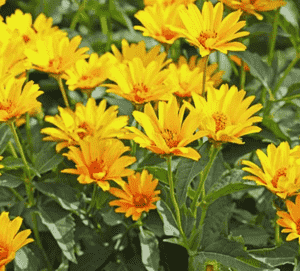
The main way to multiply Jerusalem artichoke is by using its tubers, ideally planted in the springtime. This method of reproduction is straightforward and frequently yields a large quantity. Evidence of successful growth includes emerging foliage and vigorous development. Ensure the planting medium offers good drainage.
Optimal Period for Jerusalem Artichoke Propagation
Propagation Method
Utilize The Tubers
Propagation Period
Spring
Tools Required for Jerusalem Artichoke Propagation
Spade or Garden Fork
These implements are crucial for excavating soil around jerusalem artichoke without harming the tubers. They enable careful lifting of earth and extraction of tubers with minimal damage.
Sharp Knife
A keen, clean blade is vital for dividing jerusalem artichoke tubers if necessary. It aids in making precise cuts, ensuring rapid healing and lowering disease risk.
Trowel
This instrument is employed for planting jerusalem artichoke tuber sections at the correct depth. A trowel assists in creating a hole of suitable size, ensuring good soil contact and proper root development.
Gloves
Wearing hand protection is important to safeguard hands when handling jerusalem artichoke, especially during digging and cutting tubers. They also help maintain cleanliness and prevent disease transmission.
Ruler or Measuring Tape
These measurement tools are used to guarantee that jerusalem artichoke tubers are planted with accurate spacing and depth, which is essential for optimal growth and development.
Watering Can or Hose
Following the planting of jerusalem artichoke tubers, proper irrigation is crucial. A watering can or hose provides gentle, uniform water distribution to encourage rooting without causing soil erosion or tuber displacement.
Mulch
Applying a protective layer helps retain soil moisture and temperature, suppresses weeds, and provides nutrients as it decomposes. This is particularly beneficial for jerusalem artichoke as it matures.
How to Propagate Jerusalem Artichoke
Propagation Method
Utilize The Tubers
Difficulty Level
Simple
Caring for Your Newly Propagated Jerusalem Artichoke
Caring for Your Newly Propagated Jerusalem Artichoke
Post-propagation, jerusalem artichoke demands minimal upkeep. Keep the soil consistently moist, but not waterlogged. Fertilize sparingly with a balanced, slow-release plant food. Jerusalem artichoke thrives in full sun, so ensure it gets at least 6 hours of sunlight daily. As plants grow tall, they might need staking to prevent stems from bending or breaking. After the first autumn frost, the foliage will die back, at which point you can harvest the tubers or leave some in the ground for the subsequent season.
Common Errors to Avoid When Propagating Jerusalem Artichoke
Overcrowding tubers
Planting jerusalem artichoke tubers too closely can hinder their growth due to competition for nutrients and space, resulting in smaller or fewer tubers.
Ignoring tuber health
Using damaged or diseased tubers for propagation can lead to poor establishment or disease spread, significantly reducing success rates.
Improper cutting of tubers
Dividing tubers into pieces that are too small or lack sufficient 'eyes' can impede sprouting, as each segment requires a bud to develop into a new plant.
Overwatering
Providing jerusalem artichoke with excessive water after planting can cause tuber rot and fungal infections, which can be detrimental to propagation efforts.
Advice for Propagating Jerusalem Artichoke
Ample spacing
Ensuring each jerusalem artichoke tuber has sufficient room (approximately 30-40 cm apart) to grow will help maximize tuber yield and size.
Healthy tubers
Selecting robust, disease-free tubers with multiple eyes will enhance the likelihood of successful propagation and vigorous growth.
Adequate cutting
If dividing tubers for propagation, ensure each piece is large enough (at least 2-3 inches) and possesses 2-3 eyes to guarantee sprouting.
Moisture control
Maintaining consistent soil moisture without overwatering will help prevent tuber rot and foster optimal growing conditions for jerusalem artichoke.



