How to Propagate Prairie Sunflower?
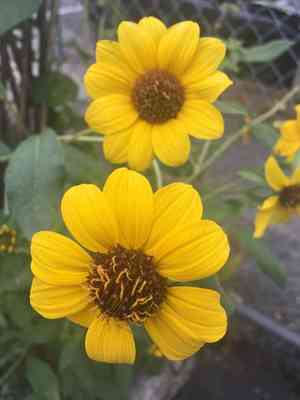
Prairie Sunflower, a species within the Asteraceae family, flourishes under particular propagation techniques. To multiply prairie Sunflower, planting seeds directly into soil that drains effectively and receives ample sunlight guarantees peak development. Condition the earth by aerating and fortifying it with organic material to encourage robust root formation. Plant the seeds at a depth that permits enough light for sprouting, as prairie Sunflower sprouts need sunlight to thrive. Keep the soil moderately damp until germination takes place, and thin out young plants to avoid excessive density. Adhering diligently to these procedures leads to successful establishment and vivid blossoms.
Optimal Period for Prairie Sunflower Propagation
Propagation Method
Seeding
Propagation Period
Spring
Tools Required for Prairie Sunflower Propagation
Seed trays
Seed trays are essential for initiating prairie Sunflower seeds, particularly indoors or in a controlled setting. They facilitate uniform seed distribution and offer an organized space for germination. These trays can be filled with a light, well-draining soil mix suitable for prairie Sunflower, ensuring good soil contact for moisture absorption and improved germination rates.
Fine vermiculite or perlite
These substances serve as a top layer for prairie Sunflower seeds in trays or pots. They aid in retaining moisture around the seeds, thereby creating a humid microclimate ideal for germination. Furthermore, these materials allow light penetration, which is vital for prairie Sunflower germination, as it needs light for this process.
Watering can with a fine rose
This implement is crucial for gently irrigating prairie Sunflower seeds without dislodging them. The fine rose attachment ensures a soft, even water distribution, mimicking light rainfall. This prevents seeds from being washed out of the soil, promoting consistent moisture levels necessary for seed germination.
Heat mat (optional)
While not strictly necessary, a heat mat can be advantageous in cooler climates to maintain an ideal soil temperature for prairie Sunflower seed germination. The gentle warmth provided can accelerate germination and enhance growth, especially during colder months.
Steps to Propagate Prairie Sunflower
Propagation Type
Simple
Post-Propagation Care for Your Prairie Sunflower
Post-Propagation Care for Your Prairie Sunflower
Following propagation, continue to water prairie Sunflower regularly, particularly during dry periods. Maintain soil moisture but avoid excessive watering to prevent root rot. Provide periodic feeding with a balanced fertilizer to support blooming. Monitoring for pests and diseases is crucial, as prairie Sunflower can attract certain insects like aphids. With proper care, prairie Sunflower should thrive and produce vibrant flowers typically in the summer months.
Common Errors to Avoid When Propagating Prairie Sunflower
Over-watering
Excessive watering can lead to root rot and fungal infections, compromising the root system of prairie Sunflower, making it difficult for the plant to absorb nutrients effectively.
Deep planting
Planting seeds or young plants too deeply can impede their ability to sprout or establish, as prairie Sunflower requires light for optimal germination and growth.
Neglecting early weed control
Failure to manage weeds in the initial growth stages can result in competition for light, nutrients, and water, negatively impacting the health and spread of prairie Sunflower.
Advice for Propagating Prairie Sunflower
Well-draining soil
Utilizing well-draining soil ensures that surplus water can escape, preventing root rot and fostering healthier root development for prairie Sunflower.
Adequate sunlight exposure
Ensuring prairie Sunflower receives full sunlight is vital as it flourishes in bright conditions, which stimulates robust growth and flowering.
Moderate watering
Maintaining a balance in watering encourages healthy root growth in prairie Sunflower without the risks associated with over-watering, ensuring the plant remains hydrated but not waterlogged.



