How to Propagate Woodland sunflower?
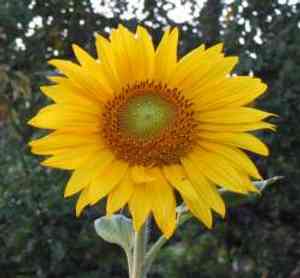
Woodland sunflower is most effectively multiplied through separation in the spring and fall. This propagation method is quite straightforward, and the emergence of new shoots indicates successful establishment. Sufficient hydration and soil with good drainage are crucial for achieving the best outcomes.
Optimal Time for Woodland Sunflower Propagation
Propagation Method
Division
Propagation Period
Spring,Autumn
Tools for Woodland Sunflower Propagation
Garden Spade
A garden spade is crucial for dividing woodland sunflower. It's used to carefully dig around and beneath the plant, ensuring minimal disturbance to the root system. The spade's flat, sharp blade allows for precise cuts through the soil, making it easier to separate the plant into smaller sections. This tool is especially useful for preserving the root ball's integrity, which is vital for successful woodland sunflower propagation.
Pruning Shears
Pruning shears are essential for cutting through tough, intertwined roots during division. They facilitate clean cuts that prevent damage and encourage faster recovery and growth after propagation. This tool is particularly beneficial for woodland sunflower to ensure divisions are of a manageable size and possess healthy, undamaged roots, critical for re-establishment in new planting locations.
Watering Can with a Fine Rose
After dividing and replanting woodland sunflower, proper hydration is key. A watering can with a fine rose attachment allows for gentle watering, minimizing soil displacement around the newly planted divisions. This delicate water application promotes effective root settling and reduces transplant shock, aiding woodland sunflower's quicker adaptation to its new environment.
Rooting Hormone Powder
While not always strictly necessary, applying rooting hormone powder can accelerate root development in newly divided woodland sunflower sections. This powder stimulates faster root growth, increasing the overall success rate of the propagation process. Applying the powder to freshly cut root sections before planting can significantly improve the chances of successful propagation.
How to Propagate Woodland Sunflower?
Propagation Type
Easy
Caring for Newly Propagated Woodland Sunflower
Caring for Newly Propagated Woodland Sunflower
Following propagation, ensure woodland sunflower receives regular watering, especially during dry spells, to encourage healthy root development and growth. Woodland sunflower thrives in full sun to partial shade and benefits from occasional feeding with a balanced, all-purpose fertilizer. Removing spent blooms can stimulate further flowering and prevent uncontrolled spreading. Periodic monitoring and control of its spread, due to woodland sunflower's vigorous nature, is also advised to maintain garden aesthetics and prevent it from overtaking other plant species.
Common Mistakes to Avoid When Propagating Woodland Sunflower
Overcrowding seedlings
Planting woodland sunflower seedlings too close together can restrict the space needed for each to develop strong root systems. This results in weaker plants more prone to disease and stunted growth.
Excessive watering
Watering woodland sunflower too frequently can lead to root rot or fungal infections. This species prefers well-drained soil, and overwatering can significantly impede its growth and health.
Using poor quality cuttings
Selecting older or diseased stems for cuttings can lead to poor propagation success. Such cuttings may lack the vitality to establish new growth, resulting in a higher failure rate.
Tips For Propagating Woodland Sunflower
Use fresh seed
For seed propagation, utilizing fresh seeds can boost germination rates. Fresh seeds maintain higher viability, which is crucial for woodland sunflower, as its seed viability diminishes over time.
Appropriate soil mix
Employing a well-draining soil mix helps prevent moisture-related problems and supports healthier root development for woodland sunflower. A blend of loam and sand or perlite is ideal.
Softwood cuttings in early growth
Taking cuttings from woodland sunflower during its early growth stages ensures the plant material is at its most vigorous, which enhances the likelihood of successful rooting.



