How to Propagate French honeysuckle?
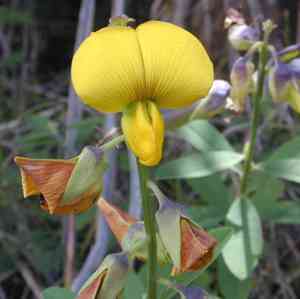
French honeysuckle flourishes when reproduced via cuttings, a technique ideally suited for retaining its genetic traits. When gathering cuttings, select robust, unblemished shoots for peak outcomes. Verify that sharp implements are utilized to achieve precise incisions, thereby reducing harm to both the source plant and the cuttings. Rooting stimulant can boost the likelihood of successful rooting, and sustaining hydration until the root systems are developed is vital for the nascent plants.
Optimal Period for French Honeysuckle Propagation
Propagation Method
Cutting
Propagation Period
Spring,Summer
Tools Required for French Honeysuckle Propagation
Sharp Pruning Shears
Essential for clean, precise cuts on french honeysuckle stems, preventing tissue damage and promoting successful rooting. Sanitize shears before use to avoid disease transmission.
Rooting Hormone Powder or Gel
Stimulates root development in french honeysuckle cuttings. Dipping the cut end into the hormone enhances healthy root growth, increasing propagation success, especially for difficult-to-root varieties.
Sterile Potting Mix
Offers a disease-free environment for french honeysuckle cuttings to root. Its lightweight nature ensures good aeration and moisture retention, crucial for new root development without rot or fungal issues.
Propagation Tray or Small Pots
Containers for french honeysuckle cuttings until roots establish. They must have adequate drainage to prevent waterlogging, which can cause cutting rot.
Plastic Domes or Covers
Maintain high humidity for french honeysuckle cuttings, preventing dehydration before rooting. These covers create a greenhouse effect, significantly boosting propagation success.
French Honeysuckle Propagation Guide
Propagation Type
Easy
Post-Propagation Care for French Honeysuckle
How to Care for Your Newly Propagated French Honeysuckle?
Once french honeysuckle cuttings root and show new growth, gradually acclimate them to lower humidity by removing the cover for longer periods daily. After a week, remove it completely. Place the plant in full to partial sunlight and water regularly, letting the top inch of soil dry between waterings. Fertilize with a balanced, water-soluble product every 4-6 weeks during the growing season. Monitor for pests and diseases, treating as needed to maintain plant health.
Common Errors to Avoid When Propagating French Honeysuckle
Overwatering during rooting
Excessive or frequent watering of french honeysuckle during rooting can lead to root rot, hindering growth and potentially killing young plants.
Deep planting of seeds
Planting french honeysuckle seeds too deep can impede sprouting due to insufficient light and excessive soil moisture, which this species' seeds do not tolerate well.
Ignoring pre-treatment of seeds
Failing to scarify or pre-treat french honeysuckle seeds before sowing can result in poor germination rates, as the hard seed coat requires treatment for water absorption.
French Honeysuckle Propagation Advice
Scarification of seeds
Gently nicking the seed coat of french honeysuckle with a file or using fine sandpaper can improve water absorption and significantly boost germination rates.
Moderate watering
Consistent, moderate watering during the rooting phase of french honeysuckle is vital. The soil should remain moist but not waterlogged to support healthy root development.
Appropriate soil depth and composition
Sowing french honeysuckle seeds shallowly, typically no deeper than twice their size, in well-draining soil ensures better germination and growth.



