How to Propagate Persian ivy?
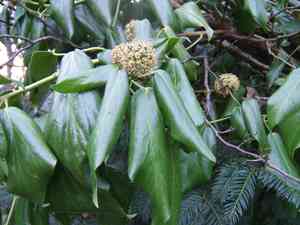
This perennial vining specimen excels in diverse environments and is frequently multiplied via cuttings. For successful propagation of persian ivy, utilize semi-hardwood stem sections, making sure each possesses multiple leaves. Insert the cuttings into a blend of peat and perlite to stimulate root development. Preserve steady dampness and atmospheric moisture by gently spraying and enclosing with a plastic covering. After a robust root structure has formed, relocate persian ivy into a growing medium that drains effectively to foster continued development.
Optimal Time for Persian Ivy Propagation
Propagation Method
Cutting
Propagation Period
Spring,Summer
Essential Tools for Persian Ivy Propagation
Sharp Pruning Shears
Sharp pruning shears are crucial for making clean cuts from the parent persian ivy plant, ensuring cuttings are not crushed or damaged. A precise cut supports the health of the remaining plant and encourages better rooting in the cuttings.
Rooting Hormone Powder or Gel
Rooting hormones significantly boost the likelihood of successful root formation in persian ivy cuttings. Dipping the base of cuttings into a rooting hormone stimulates root growth, improving the stability and development rate of new plants.
Sterilized Potting Mix
Utilizing a sterilized potting mix prevents the introduction of harmful pathogens to persian ivy cuttings. A sterile environment ensures healthy root development without competition or damage from bacteria, fungi, or pests.
Propagation Tray
A propagation tray is beneficial for arranging multiple persian ivy cuttings in a compact, regulated environment. Trays often have individual cells for each cutting, allowing for easy management of moisture levels and root growth, key factors for successful cutting establishment.
Plastic Domes or Covers
Maintaining high humidity is vital for successful rooting of persian ivy cuttings. Plastic domes or covers over propagation trays prevent moisture loss, keep humidity elevated, and ensure delicate new roots don't dry out before establishment.
Heat Mats
For persian ivy, maintaining an ideal temperature at the root zone can greatly enhance root initiation and growth rates. Heat mats gently warm the soil, ensuring optimal temperature conditions for rooting, especially in cooler growing environments.
Propagating Persian Ivy: A Guide
Propagation Difficulty
Moderately Difficult
Post-Propagation Care for Your Persian Ivy
Post-Propagation Care for Your Newly Propagated Persian Ivy
After propagation, once the persian ivy has rooted and shows new growth, gradually introduce it to lower humidity by removing the plastic cover over time. Water when the top inch of soil feels dry and apply a balanced liquid fertilizer monthly during the growing season. Ensure the persian ivy has climbing support or trim periodically to maintain its shape and size. Avoid direct sunlight, which can scorch leaves, and watch for common pests like spider mites. Maintain a consistent care routine to promote healthy growth in persian ivy.
Common Errors to Avoid When Propagating Persian Ivy
Overwatering cuttings
Excessive moisture can lead to root rot and fungal diseases, decreasing the chance of successful rooting.
Using non-sterile tools
Unclean tools can introduce pathogens, potentially infecting cutting sites and impeding growth.
Taking cuttings from unhealthy plants
Propagating from a weak or diseased persian ivy can result in poor growth or spread disease to new plants.
Ignoring humidity needs
Insufficient humidity can cause cuttings to dry out before rooting, leading to propagation failure.
Planting cuttings too deep
Cuttings planted too deeply may struggle with oxygen availability, which can hinder root development.
Tips For Propagating Persian Ivy
Use a rooting hormone
Applying rooting hormone to the cut end helps stimulate root growth and increases the success rate.
Monitor water levels
Maintain consistently moist soil, ensuring the medium is not waterlogged to prevent rot while providing sufficient moisture for root development.
Propagate from healthy specimens
Select strong and vigorous stems from a healthy persian ivy to ensure the best chance of successful propagation.
Provide adequate humidity
Maintain high humidity around the cuttings, using a plastic cover or propagation dome to help prevent moisture loss.
Root in well-draining medium
Choose a well-aerated propagation medium that allows for good drainage, preventing water retention that could harm the cuttings.



