How to Propagate Algerian ivy?
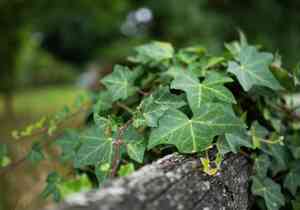
Algerian ivy, a resilient perennial climber, is most effectively multiplied through cutting methods. Select vigorous stem sections possessing multiple leaves, executing a precise incision directly beneath a node. While not strictly necessary, rooting stimulant can enhance the likelihood of success. Insert the cuttings into damp potting substrate, ensuring at least one node is submerged, as these locations are where roots will emerge. Offer ample, diffused illumination and uniformly moist earth to foster root development, which generally takes place over a few weeks. Diligent attention during the early growth period establishes a strong basis for a flourishing specimen.
Optimal Time for Algerian Ivy Propagation
Propagation Method
Cutting
Propagation Period
Spring,Summer
Tools for Algerian Ivy Propagation
Sharp Pruning Shears
These are vital for making clean cuts on algerian ivy stems, which is crucial for preventing disease and damage to both the parent plant and the cuttings. Sharp blades ensure a precise cut, promoting faster and healthier rooting.
Rooting Hormone
This substance promotes root growth in algerian ivy cuttings. Dipping the cut end of the stem into rooting hormone significantly increases the likelihood of successful rooting, accelerating the establishment of new plants.
Sterilized Potting Mix
A well-draining and sterile potting mix offers an ideal environment for algerian ivy cuttings to root. The mix's sterility helps prevent fungal and bacterial infections, which could jeopardize the propagation effort.
Propagation Trays
Trays are used to organize and manage multiple algerian ivy cuttings simultaneously. They should have adequate drainage and be shallow enough to support the small size of initial cuttings, facilitating easier monitoring and maintenance.
Plastic Covers or Domes
These create a humid environment around algerian ivy cuttings, mimicking a greenhouse effect. The humidity helps prevent cuttings from drying out before they can establish roots, enhancing the overall success rate of propagation.
How to Propagate Algerian Ivy?
Propagation Difficulty
Moderately Difficult
Caring for Newly Propagated Algerian Ivy
Caring for Newly Propagated Algerian Ivy
After successful propagation, gradually acclimate new algerian ivy plants to less humid conditions over a week. Repot into larger containers if necessary and continue watering to keep the soil consistently moist but not waterlogged. Position algerian ivy in indirect sunlight and shield from extreme temperatures. Regularly inspect for pests and diseases, and prune to maintain shape and encourage fuller growth. Fertilize with a balanced liquid fertilizer during the growing season for optimal health.
Common Mistakes to Avoid When Propagating Algerian Ivy
Overwatering cuttings
Rooting algerian ivy cuttings need consistent moisture, but excessive watering can lead to root rot. This decay can destroy delicate new roots before they establish, hindering the plant's growth.
Too much sunlight
While algerian ivy appreciates light, cuttings or young plants can be scorched by excessive direct sunlight, stressing the plants and impeding root development.
Using non-sterile tools
Using unsterilized tools can introduce pathogens to algerian ivy cuttings, potentially causing infections that hinder root growth or kill the cutting.
Insufficient Humidity
Air that is too dry may not support algerian ivy root formation. Low humidity can cause cuttings to lose moisture and wilt before they have a chance to root.
Tips For Propagating Algerian Ivy
Use rooting hormone
Applying a rooting hormone to the cut end of algerian ivy cuttings can promote faster root development and increase the chances of successful propagation.
Provide indirect light
Place algerian ivy propagation setups in bright, indirect light. This helps the plant focus energy on rooting without the stress of intense direct sunlight.
Monitor soil moisture
Maintain a balanced moisture level in the soil for algerian ivy cuttings. The soil should be kept damp but not soggy to prevent root rot while supporting growth.
Use well-draining soil
Planting algerian ivy cuttings in well-draining soil allows for proper moisture balance, vital for preventing root rot as new roots are particularly sensitive to excess water.
Provide a stable environment
Keep the environment for algerian ivy cuttings stable in terms of temperature and humidity. Fluctuations can stress the plant and affect the success of rooting.



