How to Propagate Zebra plant?
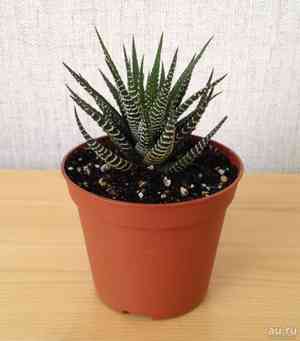
The most effective way to propagate a Zebra plant is by taking cuttings in either the spring or autumn. This procedure is relatively straightforward, and the emergence of new roots signifies successful propagation. Utilize a growing medium that drains efficiently and refrain from excessive watering to encourage robust development.
Optimal Time for Zebra Plant Propagation
Propagation Method
Cuttings
Propagation Period
Spring, Autumn
Tools Required for Zebra Plant Propagation
Sanitized Cutting Implements
Sharp, sterile cutting tools like scissors, pruning shears, or a knife are crucial for making clean cuts from zebra plant. As zebra plant propagates well from offsets or leaf cuttings, precise cuts are vital to prevent crushing or damaging plant tissues, which could lead to infection or poor healing. Sterile tools also minimize disease transmission, ensuring healthy propagation.
Isopropyl Alcohol or Disinfectant
Before making any cuts, sanitizing the blades of cutting tools with rubbing alcohol or a disinfectant helps prevent pathogen spread to zebra plant. This is paramount for safeguarding both the parent plant and the cuttings from potential infections that could compromise their health and development.
Protective Gloves
Wearing gloves, such as nitrile or latex, can shield the handler's hands from any sharp edges on zebra plant and helps maintain clean, oil-free cuttings. This benefits zebra plant as its delicate foliage can be harmed by skin oils and salts. Gloves also prevent potential skin irritation when handling the plant.
Holding Tray or Container
A tray or shallow container is suitable for holding leaf cuttings or offsets after removal from zebra plant. The tray should be clean and offer ample space to arrange cuttings without overlap, promoting air circulation and allowing the cut end to dry before planting, which is essential for good callus formation and reducing rot risk.
Fast-Draining Potting Medium
A well-draining potting mix or a cactus/succulent blend is necessary for planting the cut or calloused parts of zebra plant. The mix should allow rapid drainage to prevent waterlogging, which can cause rot. A coarse potting medium, with added perlite or sand, is beneficial for good aeration and robust root development.
Small Pots or Receptacles
Small pots or containers with drainage holes are ideal for rooting zebra plant cuttings or offsets. Their small size ensures the soil dries out more quickly between waterings, reducing rot risk. Drainage holes are vital for allowing excess water to escape, preventing moisture accumulation around the roots.
Rooting Stimulant (Optional)
Rooting hormone is not essential for zebra plant but can be used to encourage root growth for leaf cuttings. It should be applied to the cut end before placing it in the potting mix. However, it\u2019s worth noting that zebra plant has a high natural propensity to root, so using rooting hormone may be based on personal preference.
How to Propagate Zebra Plant
Propagation Method
Cuttings
Difficulty Level
Easy
Caring for Your Newly Propagated Zebra Plant
Caring for Your Newly Propagated Zebra Plant
Once zebra plant has been successfully propagated and the new plants are established, they require minimal upkeep. Continue to use a well-draining soil mix and pots with adequate drainage holes. Water zebra plant deeply but infrequently, allowing the soil to completely dry between waterings. Provide bright, indirect light and shield the plants from extreme temperatures. Fertilize with a diluted succulent fertilizer during the active growth season (spring and summer) and reduce watering during the dormant winter months. Remove any dead leaves to prevent rot and ensure good air circulation around the plants.
Common Errors to Avoid When Propagating Zebra Plant
Excessive watering of cuttings
When propagating zebra plant via leaf cuttings, a frequent error is overwatering, which can lead to decay. This issue is particularly problematic as a waterlogged environment promotes bacterial and fungal growth that can destroy the leaf before it can root.
Utilizing unhealthy foliage
Selecting damaged or diseased leaves for propagation may result in failure because these leaves lack the vitality to produce new roots and shoots. Propagating compromised material lowers the success rate and can also transmit diseases to new plants.
Insufficient indirect illumination
Placing cuttings in very low light can slow down or completely hinder rooting. Zebra plant requires bright, indirect light to generate enough energy for root development.
Disregarding leaf orientation
A commonly overlooked error is planting the leaf cutting upside down. The direction in which the leaf was growing is crucial; an inverted cutting will not propagate, as roots emerge from the base of the leaf that was attached to the stem.
Lack of patience
Gardeners may anticipate rapid results and discard zebra plant cuttings too soon. Since propagation can be a slow process, prematurely giving up can waste viable cuttings that would have eventually produced new plants.
Advice for Propagating Zebra Plant
Precise cut
Ensure a clean cut across the leaf base, using sterile, sharp scissors. A clean cut aids in quicker callousing and reduces infection risk.
Callus formation
Allow leaf cuttings to form a callus for a few days before placing them on soil. Callousing prevents rot by creating a protective layer over the cut surface.
Well-draining substrate
Use a well-draining soil mix formulated for succulents. Good drainage is essential to prevent water accumulation around the propagating leaf, avoiding rot and fungus.
Consistent moisture levels
Provide a consistent level of slight moisture. While overwatering is a mistake, let the soil become slightly dry between waterings to encourage rooting.
Optimal lighting
Place cuttings in a location receiving ample bright, indirect sunlight to promote healthy growth without scorching the leaves.
Gentle handling
Handle leaf cuttings with care to avoid damaging the area where roots and new shoots will emerge. Avoid unnecessary movement or disturbance of the cuttings.



