How to Propagate Oak fern?
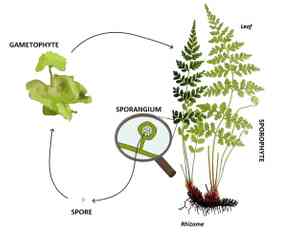
Gymnocarpium dryopteris flourishes in damp, organic-rich substrates characteristic of forested areas, rendering it ideal for shaded horticultural spaces. For propagation, cultivators ought to contemplate employing the spore dispersal technique within a sanitized substrate, guaranteeing a perpetually elevated moisture level to replicate the fern's native surroundings. Consistent atomization and protection from direct solar exposure during the initial phases of development will encourage more robust growth. Careful relocation of established divisions can additionally aid in augmenting their presence within your landscape.
Optimal Period for Oak Fern Propagation
Propagation Method
Sowing
Propagation Period
Spring
Tools Required for Oak Fern Propagation
Seed trays
Seed trays are perfect for initiating oak fern from spores, enabling regulated soil conditions and ample spacing. Their shallow depth and consistent compartment size ensure spores have enough room to develop without becoming overcrowded, enhancing their potential to grow into robust, individual plants.
Sterile potting mix
A sterile potting mix is vital for sowing oak fern spores to prevent fungal and bacterial infections, which can be lethal at this delicate stage. A sterile environment encourages healthier development and minimizes contamination risks that can impact germination and growth.
Misting bottle
A misting bottle is employed to gently hydrate oak fern spores, supplying the necessary moisture for germination without disturbing the planting medium or the fragile spores. Proper hydration aids in the formation of a strong root system, crucial for the successful cultivation of oak fern.
Plastic dome or cover
Placing a plastic dome or cover over seed trays helps maintain a high humidity level, which is essential for oak fern spore germination. This micro-environment mimics the naturally moist conditions oak fern prefers, ensuring spores don't dry out and can develop effectively.
Labeling materials
Using labels allows for accurate identification and tracking of oak fern's growth stages. It's crucial for monitoring the progress of different spore batches, especially when experimenting with various substrates or environmental conditions to optimize germination rates and plant health.
How to Propagate Oak Fern?
Propagation Type
Simple
Caring for Your Newly Propagated Oak Fern
Caring for Your Newly Propagated Oak Fern
Post-propagation, continue to provide oak fern with filtered light and shield it from direct sun exposure. Water consistently to keep the soil uniformly moist, but avoid saturation. Apply a light layer of organic mulch to help retain soil moisture and supply nutrients. Refrain from using chemical fertilizers; instead, opt for gentle, organic alternatives if necessary.
Common Errors to Avoid When Propagating Oak Fern
Overwatering
Excessive watering can lead to root rot in oak fern, which thrives in well-drained soil. Too much moisture deprives roots of oxygen, hindering nutrient absorption and making the plant vulnerable to diseases.
Deep planting
Planting oak fern spores or divisions too deeply can impede their growth. Spores and young plants require light for photosynthesis, and deep planting limits their access to adequate light.
Neglecting humidity
Ignoring humidity requirements can result in poor spore germination and growth in oak fern. Oak fern naturally thrives in humid environments, and a lack of humidity can prevent it from establishing properly.
Tips For Propagating Oak Fern
Appropriate substrate
Utilize a well-draining, fertile substrate with a slightly acidic to neutral pH for propagating oak fern. This replicates oak fern's natural habitat and supports healthier growth.
Dividing mature plants
Propagate oak fern by carefully separating the rhizomes of mature plants. This method is effective because it uses already established parts of the plant, increasing the chances of successful propagation.
Maintain ambient humidity
To successfully propagate oak fern from spores or divisions, maintain high ambient humidity. Enclose the propagation area with a plastic cover or regularly mist the area to keep the environment moist.



