How to Propagate Broom snakeweed?
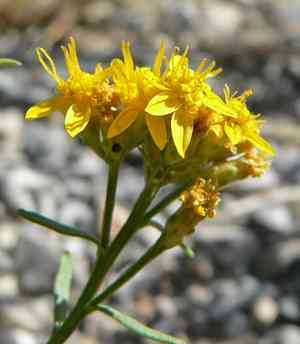
The favored method for multiplying broom snakeweed involves planting seeds in the optimal period, which is Spring. This propagation process is quite straightforward, with the emergence of new shoots indicating successful germination. Guarantee appropriate seed distribution and soil quality for optimal outcomes.
When Is the Optimal Period to Propagate Broom Snakeweed?
Propagation Method
Seeding
Propagation Period
Spring
What Equipment Is Utilized in Broom Snakeweed Propagation?
Seed Trays
Seed trays are vital for initiating broom snakeweed from seeds. They offer a controlled setting, enabling uniform spacing and planting depth, which is key for consistent germination. These trays help save space and simplify managing numerous seeds simultaneously.
Potting Mix
A premium, well-draining potting mix is essential for broom snakeweed seed germination. It provides the necessary support and nutrients for early growth stages, ensuring good moisture retention without becoming waterlogged, thereby preventing root rot.
Misting Bottle
A misting bottle is employed to gently moisten the seeds without disturbing them. The fine spray ensures that broom snakeweed seeds remain damp, which is necessary for germination, yet are not dislodged by heavy water droplets.
Heat Mat
A heat mat supplies bottom warmth, which can be advantageous for broom snakeweed seeds, particularly in cooler regions or during colder times of the year. This consistent heat can enhance germination rates and accelerate the propagation process.
Grow Lights
When natural light is insufficient, grow lights can provide a light spectrum beneficial for broom snakeweed seedling development. The lights promote robust growth and can be adjusted to the correct height as seedlings mature.
Label and Marker
Labels and markers are used to identify broom snakeweed seedlings, especially when propagating multiple plant varieties. Proper labeling helps prevent confusion and ensures that the specific care requirements for broom snakeweed are followed throughout the propagation process.
Pruning Shears
Pruning shears are crucial for trimming broom snakeweed after the seedlings have matured. This tool allows for precise removal of dead or diseased plant parts, encouraging a bushier growth habit and potentially reducing disease transmission.
Rooting Hormone
While not always necessary for all seeds, rooting hormone can be applied when propagating broom snakeweed via cuttings. It stimulates root development and can increase the success rate of propagation when dealing with more challenging or mature specimens.
How to Propagate Broom Snakeweed?
Propagation Method
Seeding
Difficulty Level
Simple
How to Nurture Your Newly Propagated Broom Snakeweed?
How to Nurture Your Newly Propagated Broom Snakeweed?
Once established, broom snakeweed is generally drought-tolerant and requires minimal upkeep. Water young plants regularly until they are well-rooted, then decrease frequency. They thrive in full sun and well-draining soil. Avoid excessive watering and fertilization. Monitor for pests and diseases, though broom snakeweed is relatively disease-resistant. Annual pruning of dead or diseased branches will help maintain plant health and appearance.
Common Errors to Avoid When Propagating Broom Snakeweed
Overwatering
Propagating broom snakeweed with too much water can lead to root rot and fungal issues, as this species is adapted to drier conditions.
Crowding
Planting broom snakeweed cuttings or seeds too close together can result in inadequate air circulation and light, hindering growth and increasing the risk of disease.
Deep planting
Broom snakeweed's seeds require light for germination, so burying them too deeply can prevent successful sprouting.
Ignoring root development
Transplanting broom snakeweed before root systems are well-established can lead to a higher failure rate as the plants are not yet sturdy enough to cope with the stress of moving.
Advice For Propagating Broom Snakeweed
Soil selection
Using a well-draining soil mix is critical for broom snakeweed propagation, as it helps prevent moisture-related problems.
Spacing
Allowing adequate space between plantings ensures better air circulation, access to sunlight, and reduces competition for nutrients, all essential for broom snakeweed's growth.
Seed surface sowing
Broom snakeweed's seeds should be sown lightly on the soil surface or with only a fine dusting of soil to cover, ensuring they receive necessary light for germination.
Careful transplanting
Ensure broom snakeweed's roots are sufficiently developed before transplanting, and handle the root ball with care to minimize stress and damage.



