How to Propagate Silky oak?
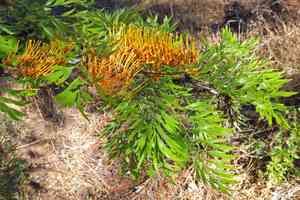
Grevillea robusta reproduces most effectively in the Spring season, employing techniques like cuttings or air layering. The propagation of this particular plant can present a moderate level of difficulty. Evidence of successful propagation includes the emergence of new shoots and the formation of roots. Perseverance is essential throughout this procedure.
Optimal Period for Silky Oak Propagation
Propagation Method
Cutting
Propagation Period
Autumn,Winter
Tools Required for Silky Oak Propagation
Sharp pruning shears or knife
Crucial for taking cuttings from silky oak, sharp pruning shears or a sanitized knife ensure clean cuts, enhancing rooting success by minimizing tissue damage. Clean cuts also reduce the risk of pathogen entry, which could compromise the cutting's vitality.
Rooting hormone powder or gel
This aids root development when applied to the base of silky oak cuttings. Utilizing rooting hormone boosts the success rate of cuttings taking root by augmenting the plant's natural rooting process, leading to more robust growth.
Propagation tray with a lid or a plastic bag
Providing a moist, controlled environment is vital for silky oak cuttings to root. A propagation tray with a lid or a plastic bag creates a miniature greenhouse effect, maintaining high humidity levels that help prevent cuttings from drying out before roots can establish.
Perlite or vermiculite
These materials enhance aeration and drainage in the rooting medium, both critical for successful silky oak propagation. They help prevent root rot by ensuring excess water drains away from cuttings while retaining sufficient moisture to support growth.
Fine mist spray bottle
Used to gently water cuttings without disturbing the rooting medium or harming the silky oak cutting. A fine mist provides necessary hydration while keeping the environment around cuttings humid, which is important for new root establishment.
Labeling materials (Markers and labels)
For organized tracking of different silky oak cuttings, markers and labels are used to note details such as propagation date and applied treatments. This aids in monitoring progress and conducting any necessary follow-up care.
Caring for Your Newly Propagated Silky Oak
Caring for Your Newly Propagated Silky Oak
Once silky oak is successfully propagated and transplanted, it will need full sunlight, well-draining soil, and consistent watering during establishment. Reduce watering frequency as the silky oak matures. Prune to shape the tree during dormancy and apply a general-purpose fertilizer during the growing season to encourage healthy development.
Common Errors to Avoid When Propagating Silky Oak
Over-watering
A common error is over-watering silky oak cuttings, which can lead to root rot. Keeping the soil consistently saturated prevents cuttings from developing a strong root system, resulting in poor growth and health.
Deep planting
Planting silky oak cuttings too deeply may cause them to rot before rooting effectively. Cuttings require a balance of moisture and air to successfully establish roots.
Ignoring hygiene
Using unclean tools and containers can introduce harmful pathogens to silky oak. Maintaining cleanliness is crucial to prevent disease, which can significantly hinder propagation.
Neglecting humidity
Failing to maintain a high humidity environment for silky oak cuttings may result in dehydration and poor rooting, as silky oak's cuttings often need a humid environment to encourage root growth.
Advice for Propagating Silky Oak
Correct cutting size
Utilize semi-hardwood cuttings of an appropriate size, approximately 6-12 inches, which have a higher likelihood of successful rooting for silky oak.
Optimal rooting medium
Choose a well-draining yet moisture-retentive medium, such as a mix of peat and perlite, to provide ideal rooting conditions for silky oak's cuttings.
Use of rooting hormone
Applying rooting hormone can significantly increase the success rate of propagation by encouraging root development in silky oak cuttings.
Adequate light but not direct sun
Provide bright, indirect light for silky oak cuttings to promote growth without the risk of scorching them, which can be detrimental to the propagation process.



