How to Propagate Chinese water fir?
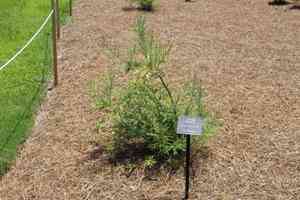
Chinese water fir flourishes most effectively when reproduced via cuttings. To achieve the best outcomes, choose a robust branch and sever a section containing multiple nodes. These ought to be inserted into damp, adequately draining soil, making sure that a minimum of one node is situated below the surface. The cutting needs to be kept in a moist atmosphere to stimulate root formation.
Optimal Period for Chinese Water Fir Propagation
Propagation Method
Cutting
Propagation Period
Autumn,Winter
Tools Required for Chinese Water Fir Propagation
Sharp pruning shears
These are essential for taking cuttings from chinese water fir, ensuring a clean and precise cut without harming the parent plant. The sharp blades minimize the risk of creating jagged cuts that could predispose the cutting to infections and water loss, vital for the healthy rooting of chinese water fir.
Rooting hormone
This chemical substance stimulates root growth from cuttings of chinese water fir. Applying rooting hormone to the cut end of the stem helps to speed up the formation of new roots, increases the chances of successful propagation, and ensures a better survival rate for the new plants.
Sterilized containers
These containers are used to plant the cuttings after they have been treated with rooting hormone. Sterility is crucial to prevent fungal and bacterial infections, which can be detrimental to the sensitive cuttings of chinese water fir during their crucial initial rooting phase.
Perlite or vermiculite
These are airy, non-soil mediums ideal for the propagation of chinese water fir through cuttings. They provide excellent drainage and aeration, creating an optimal environment for root growth without retaining excessive moisture that could lead to rot.
Humidity dome or plastic wrap
Maintaining a high humidity environment is essential for the cuttings of chinese water fir to prevent excessive moisture loss through the leaves before the new roots have formed. A humidity dome or plastic wrap over the planting container helps create a micro-environment that keeps the air moist and supports successful rooting.
How to Propagate Chinese Water Fir?
Propagation Type
Moderately Difficult
Post-Propagation Care for Chinese Water Fir
How to Care for Your Newly Propagated Chinese Water Fir?
Once roots establish, gradually acclimate the chinese water fir to less humid conditions by removing the humidity cover for longer periods each day. After about 6-8 weeks, when the plant shows new growth, it can be transplanted to a larger pot or a permanent spot in a garden. Chinese water fir prefers moist, well-drained soil and partial to full sun. Regular watering is crucial, especially in dry conditions, to mimic its natural wetland habitat. Monitor for pests and diseases and treat accordingly.
Common Errors to Avoid When Propagating Chinese Water Fir
Overwatering during the rooting process
Excessive moisture can lead to root rot or fungal growth, compromising the health of chinese water fir's fragile new roots.
Using unsuitable soil medium
An inappropriate soil medium can hinder proper root development, affecting the overall growth and stability of chinese water fir.
Neglecting humidity requirements
Low humidity can dry out the propagules prematurely, stunting root formation or causing the propagules to perish.
Tips For Propagating Chinese Water Fir
Use semi-hardwood cuttings
Using semi-hardwood cuttings increases the chance of successful rooting for chinese water fir, as they strike a balance between flexibility and maturity, which is critical for new root development.
Maintain high humidity
Maintaining a humid environment is crucial for chinese water fir during propagation, as it helps prevent the cuttings from drying out before they can establish roots.
Provide indirect light
Ensuring chinese water fir receives gentle, indirect sunlight avoids scorching the delicate cuttings, while still providing the necessary energy for growth.



