How to Propagate Licorice?
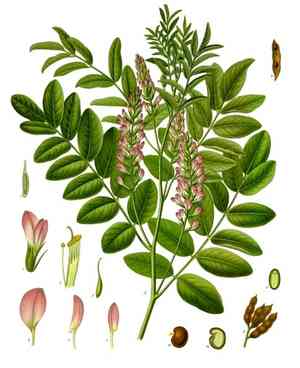
Licorice flourishes when propagated by means of seeding. For effective growth, utilize a well-draining substrate enriched with organic material to encourage robust root formation. Plant the seeds in containers or a nursery plot, lightly covering them with earth, and ensure continuous dampness until sprouting takes place. Immature plants benefit from a slow adjustment to external environments prior to relocating them to their permanent spot. Consistent inspection for harmful organisms and ailments is crucial for preserving the health of licorice.
When Is the Optimal Time to Propagate Licorice?
Propagation Method
Seeding
Propagation Period
Spring
What Equipment Is Used for Licorice Propagation?
Seed trays
Seed trays offer a controlled setting perfect for initiating seeds such as those of licorice. They enable consistent spacing, ensuring each seedling has ample room to develop without competition.
Quality potting mix
A good potting mix supplies the essential nutrients and drainage needed for licorice seeds. It aids in maintaining sufficient moisture levels and supports early root formation, vital for successful germination.
Watering can with a fine rose
This tool permits gentle irrigation, preventing the displacement or burial of small seeds like licorice. A fine rose attachment distributes water evenly, mimicking light rain, which improves seed-to-soil contact and encourages germination.
Labels and markers
These are crucial for monitoring the progress and type of licorice when propagating multiple plants. Proper labeling assists in keeping organized records of growth stages and any specific care required for each variety.
Transparent plastic cover
This functions as a miniature greenhouse, helping to retain humidity and warmth around licorice, both essential for accelerating the germination process. It also safeguards seeds from pests without blocking light, a critical factor for growth.
How to Propagate Licorice?
Propagation Difficulty
Easy
How to Nurture Your Newly Propagated Licorice?
How to Nurture Your Newly Propagated Licorice?
Licorice plants prefer full sunlight and require consistent watering, especially in dry conditions, to establish a deep root system. They thrive in deep, fertile, well-drained soils. Mulching helps retain soil moisture and suppress weeds. Regularly check for pests and diseases.
Common Errors to Avoid When Propagating Licorice
Insufficient root preparation
Failing to adequately prepare licorice roots can result in poor establishment and growth. This occurs because the roots may not adapt well or efficiently absorb nutrients and water from the soil.
Overwatering
Supplying too much water to licorice after propagation hinders proper root development and increases the risk of root rot, which weakens or kills the plant.
Using inappropriate soil mix
Employing a soil mix that drains poorly or doesn't meet licorice's specific requirements can cause waterlogging and impede root growth, leading to poor plant health.
Deep planting
Placing licorice cuttings or roots too deeply in the soil can suffocate the plant and deter root development, resulting in poor growth or plant death.
Advice For Propagating Licorice
Root stimulation
Applying a rooting hormone to licorice cuttings enhances root growth and increases the chances of successful propagation by stimulating root development in the initial stages.
Moderate watering
Maintaining a balance in watering ensures that licorice receives enough moisture to thrive without the risk of overwatering, promoting healthy root growth and establishment.
Soil suitability
Using a well-draining, fertile soil mix tailored to licorice's needs supports optimal root health and growth, leading to more successful propagation.
Appropriate planting depth
Ensuring that licorice cuttings or roots are planted at the correct depth allows for adequate air circulation and root spread, which are crucial for healthy growth.



