How to Propagate Soybean?
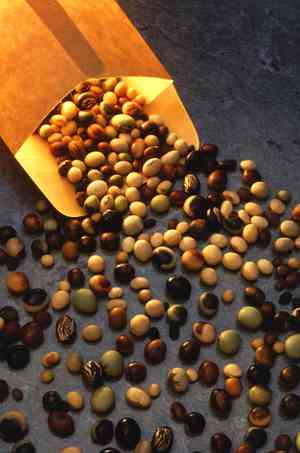
Soybean cultivation is most effectively initiated by planting seeds in the springtime. While the process of propagation is fairly straightforward, it is crucial to observe for robust root development as a sign of successful growth. Guarantee appropriate soil dampness and warmth to achieve the best outcomes.
What Is the Best Time To Propagate Soybean?
Propagation Type
Sowing
Propagation Season
Spring
What Tools Are Used in Soybean Propagation?
Seed Trays or Flats
These are containers featuring multiple compartments or open areas, utilized for initiating soybean seeds. They offer a regulated setting for seed sprouting and initial seedling growth. Seed trays guarantee each soybean seedling ample room to develop without competition, facilitating easy oversight and maintenance during early stages.
Soil or Seed Starting Mix
This refers to the medium where soybean seeds are planted. An ideal well-draining, nutrient-rich starting mix offers essential support for soybean seed germination and seedling development. A specialized seed starting mix can hold moisture while allowing excess water to drain, reducing the risk of root rot and other moisture-related ailments.
Moisture Dome or Plastic Wrap
Used to cover seed trays, this tool maintains a high humidity environment favorable for soybean seed germination. A moisture dome also helps keep the soil or seed starting mix consistently moist and warm, mimicking conditions beneficial for soybean seed sprouting.
Watering Can or Spray Bottle
These tools provide gentle irrigation suitable for the delicate nature of soybean seedlings. Employing a fine spray or a watering can with a narrow spout helps prevent overwatering and soil erosion, ensuring soybean seeds receive the ideal amount of water without displacement or damage.
Heat Mat
An optional tool used to warm the planting surface, thereby promoting faster germination of soybean seeds. Soybean seeds typically sprout best when soil temperature is within a specific range, and a heat mat can be regulated to maintain this optimal temperature, especially in colder climates or seasons.
Grow Lights
If natural sunlight is insufficient, artificial lighting like grow lights helps provide the necessary light spectrum for soybean seedlings to perform photosynthesis and grow strong and healthy. This is particularly useful when propagating soybean indoors or in areas with limited daylight.
Dibber or Seed Sowing Tool
This is a pointed stick or specialized tool used to create holes in the soil for soybean seeds. It allows for precise depth control during sowing, which is crucial for ensuring soybean seeds are planted at the optimal depth to encourage successful germination and avoid being too exposed or buried too deeply.
Labels or Markers
To keep track of the soybean varieties being propagated, especially if there are multiple cultivars. Proper labeling aids in monitoring and caring for each specific group of soybean seedlings, ensuring each receives appropriate care according to its growth habits and requirements.
How to Propagate Soybean?
Propagation Type
Sowing
Difficulty Level
Easy
How to Care for Your Newly Propagated Soybean?
How to Care for Your Newly Propagated Soybean?
After propagation, soybean needs consistent moisture, particularly during flowering and pod development. A balanced fertilizer can be applied based on soil test recommendations. Monitor for pests and diseases, managing them as necessary. Stake plants if needed to support growth. Harvest soybean when pods are plump and bright green, typically 45 to 65 days after planting.
Common Mistakes to Avoid When Propagating Soybean
Inadequate soil preparation
Failing to properly prepare the soil can hinder root development and nutrient uptake for soybean. This may lead to stunted growth and reduced yield.
Ignoring soil ph
Soybean thrives within a specific pH range; not adjusting the soil pH accordingly can cause nutrient lockout, preventing the plant from absorbing essential nutrients, thus impeding its growth and productivity.
Overcrowding seeds
Planting soybean seeds too closely can result in competition for light, space, and nutrients, potentially leading to weaker plants and diminished yields.
Inconsistent watering
Providing too much or too little water to soybean can induce water stress, impacting seed germination rates and causing uneven plant growth.
Neglecting pest management
Overlooking pest control can lead to severe infestations that may damage or kill young soybean plants before they reach maturity.
Tips For Propagating Soybean
Use quality seeds
Selecting high-quality, disease-free seeds ensures robust germination rates and healthy soybean growth.
Proper spacing
Ensuring adequate space between seeds allows for optimal root and leaf development, enhancing the overall health and yield of soybean.
Moisture control
Maintaining consistent soil moisture within the optimal range is crucial for successful soybean germination and establishment.
Ph adjustment
Testing the soil pH and adjusting it to the preferred range for soybean can significantly improve nutrient availability and plant health.
Pest monitoring
Regularly checking for signs of pests and implementing appropriate control measures can protect soybean plants from being compromised by infestation.



