How to Propagate Ground ivy?
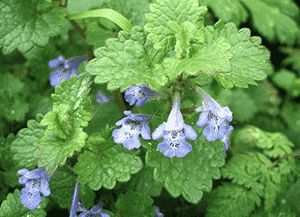
Glechoma hederacea is most effectively multiplied via cuttings taken in the spring and summer seasons. Its reproduction is relatively straightforward, with indicators of success being the emergence of roots and fresh foliage. Utilize a growing substrate that drains efficiently for the best outcomes.
Optimal Time for Ground Ivy Propagation
Propagation Method
Cuttings
Propagation Period
Spring, Summer
Tools for Ground Ivy Propagation
Sharp pruning shears
These are vital for obtaining clean, precise ground ivy cuttings, which promotes faster healing and lowers disease risk. Sterilization before use is essential to prevent pathogen transfer.
Rooting hormone
This product stimulates root development on ground ivy cuttings, which might otherwise struggle to form strong roots. It significantly boosts propagation success by fostering robust root growth.
Potting mix
A well-draining potting mix is crucial for ground ivy cuttings to flourish. It ensures new roots get necessary air and water without becoming waterlogged, which could cause rot.
Small pots or trays
These containers are used for placing prepared ground ivy cuttings. They offer a controlled environment for root development and should have drainage holes to prevent excess water accumulation.
Plastic bags or propagation domes
Creating a humid environment aids root growth in ground ivy cuttings. Covering pots or trays with plastic bags or domes maintains high humidity, mimicking a greenhouse effect beneficial for new growth.
Labeling materials
Labels are essential for tracking the progress and variety of ground ivy cuttings, especially with multiple propagation attempts. This tool helps organize and monitor the propagation process.
How to Propagate Ground Ivy
Propagation Method
Cutting
Difficulty Level
Easy
Caring for Your Newly Propagated Ground Ivy
Caring for Your Newly Propagated Ground Ivy
Once roots have formed, gradually introduce the new ground ivy plant to less humid conditions. Start by exposing it to the ambient environment for a few hours daily, increasing the duration until the cover can be removed permanently. Transplant to a larger pot or outdoors if the climate is suitable, ensuring the soil is fertile, moist, and well-draining. Ground ivy thrives in partial to full shade and benefits from regular watering, though it tolerates various conditions. Regularly check for pests and diseases, and maintain moderate watering and fertilization for healthy growth.
Common Propagation Mistakes to Avoid with Ground Ivy
Overwatering
Propagating ground ivy requires consistent moisture, but not saturation, as excessive water can lead to root rot and fungal issues, hindering plant growth and overall health.
Planting depth
Inserting ground ivy cuttings too deeply into the soil can result in poor aeration, which impedes root development and may contribute to stem base decay.
Ignoring light requirements
Failing to provide adequate light can weaken ground ivy; too little light hinders photosynthesis, while too much direct sun can scorch leaves, compromising the plant's ability to establish from cuttings.
Neglecting to remove lower leaves
Leaving too many leaves on ground ivy stem cuttings can increase water and nutrient demand before roots establish, leading to stress and potential cutting failure.
Tips for Propagating Ground Ivy
Moisture regulation
Maintain balanced soil moisture for ground ivy cuttings. The soil should be damp but not waterlogged to encourage healthy root growth without the risk of rot.
Shallow planting
Place ground ivy cuttings shallowly in the growing medium, ensuring at least one node is buried. This allows for optimal root emergence and better air access.
Indirect sunlight
Provide ground ivy with ample indirect sunlight to optimize photosynthesis and support new growth without damage from harsh direct sun.
Prune lower leaves
Remove the lower leaves of ground ivy stem cuttings before planting to reduce moisture loss and direct the plant's energy towards rooting rather than sustaining unnecessary foliage.



