How to Propagate Yellow horned poppy?
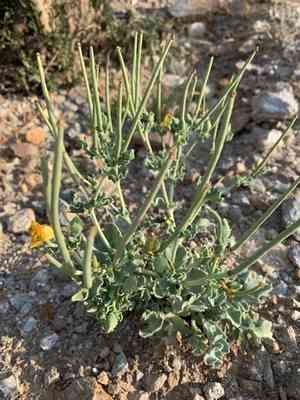
The yellow horned poppy can be successfully multiplied by planting its seeds. Cultivators ought to utilize a porous, sandy substrate to replicate its native seaside environments, thereby enhancing seed sprouting. For peak outcomes, it is crucial to sustain steady soil dampness without oversaturation. A sun-drenched spot is favored, as it mirrors the luminous settings where the yellow horned poppy thrives.
When Is the Optimal Time to Propagate Yellow Horned Poppy?
Propagation Method
Seeding
Propagation Period
Spring
What Equipment Is Used in Yellow Horned Poppy Propagation?
Seed trays
Seed trays are vital for initiating yellow horned poppy seeds indoors or under controlled environments. Their compact design enables efficient use of space and resources. By planting seeds in these trays, conditions like moisture and temperature can be closely monitored and adjusted to meet the germination needs of yellow horned poppy.
Peat pots
Peat pots are especially beneficial for yellow horned poppy due to their biodegradable composition, making them perfect for minimizing root disturbance during transplanting. Yellow horned poppy can be sensitive to root disruption, and peat pots allow for direct planting into the soil, which helps preserve the root system and lessen transplant shock.
Fine vermiculite
Fine vermiculite is suggested as a propagation medium additive for yellow horned poppy seeds. Vermiculite's ability to retain water and provide aeration supports effective seed germination by maintaining an ideal balance of moisture and air around the seeds. This can boost the germination rate and seedling vigor of yellow horned poppy.
Misting bottle
A misting bottle is essential for maintaining the delicate moisture balance required for yellow horned poppy seedlings. Consistent and gentle misting helps keep the soil uniformly moist without causing waterlogging, which is crucial for the germination and early growth phases of yellow horned poppy.
Labeling markers
Utilizing labeling markers is important for accurate identification and tracking of yellow horned poppy during propagation. This tool aids in monitoring growth stages, germination success rates, and specific care requirements, significantly contributing to organized and successful cultivation of yellow horned poppy.
How to Nurture Your Newly Propagated Yellow Horned Poppy?
How to Nurture Your Newly Propagated Yellow Horned Poppy?
Once germinated, provide the yellow horned poppy seedlings with ample light and continue to water them regularly but carefully to prevent waterlogging. As they mature, decrease the watering frequency, allowing the soil to dry out partially between watering sessions. Yellow horned poppy thrives in full sun and well-drained soils, so consider this when selecting a permanent planting spot in the garden. Gradually acclimatize the young plants to outdoor conditions before planting them in their final locations to ensure a smooth transition.
Common Errors to Avoid When Propagating Yellow Horned Poppy
Overwatering
Excessive watering can lead to root rot in yellow horned poppy, as it naturally flourishes in well-drained soils. Overly moist conditions can impede root development and increase susceptibility to fungal diseases.
Deep Planting
Planting yellow horned poppy seeds or seedlings too deeply can hinder germination and root growth. Yellow horned poppy requires light to germinate effectively, and deep planting can bury the seeds too far from light sources.
Ignoring soil type
Yellow horned poppy prefers sandy or well-drained soil. Using heavy, clay-rich soil can retain too much moisture, negatively impacting root health and overall plant vigor.
Crowding Plants
Planting yellow horned poppy too close together can restrict airflow and light penetration, which are crucial for healthy growth. This may lead to weaker plants that are more prone to pests and diseases.
Advice For Propagating Yellow Horned Poppy
Surface Sowing
For successful germination, sow yellow horned poppy seeds directly on the soil surface, pressing them in lightly without covering them. This exposure helps the seeds receive essential light.
Maintain Moisture Balance
Yellow horned poppy needs moist but not waterlogged conditions. Ensuring proper drainage and occasional watering will help maintain the ideal moisture balance for seed germination and young plant growth.
Sandy Soil Mixture
Using a sandy soil mix enhances drainage and mimics yellow horned poppy's natural coastal habitat, optimizing conditions for root health and plant development.
Adequate Spacing
Ensure that there is sufficient space between newly planted seeds or seedlings of yellow horned poppy to promote adequate air circulation and reduce the risk of disease. Adequate spacing also allows for optimal growth and access to sunlight.



