How to Propagate Eggleaf silktassel?
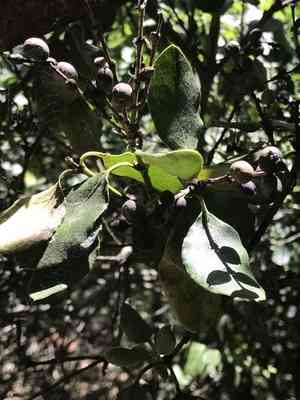
Garrya elliptica is a robust, perennial shrub. To achieve optimal propagation results, utilize semi-ripe cuttings to foster robust root formation. It is crucial to choose a cutting possessing several healthy leaves and apply rooting stimulant prior to embedding it in porous, somewhat acidic earth. Steady hydration and exposure to partial or full sunlight encourage peak development. Periodically inspect for infestations and ailments to preserve the plant's well-being.
What Is the Best Time To Propagate Eggleaf Silktassel?
Propagation Type
Cutting
Propagation Season
Spring,Summer
What Tools Are Used in Eggleaf Silktassel Propagation?
Pruning Shears
Utilized to obtain healthy sections from the parent eggleaf silktassel plant. Sharp, clean blades are vital for precise cuts, preventing tissue damage, reducing infection risk, and encouraging faster rooting.
Rooting Hormone
Applying rooting hormone to the severed ends of eggleaf silktassel promotes root growth by stimulating cell division. This improves the likelihood of successful propagation by fostering a stronger root system.
Propagation Trays
Propagation trays offer a controlled setting for eggleaf silktassel cuttings to develop roots. They often include humidity domes to maintain high moisture levels, crucial for preventing the cuttings from drying out.
Sterilized Potting Mix
A well-aerated, sterilized potting mix is crucial for eggleaf silktassel cuttings to root effectively. It prevents fungal issues and ensures adequate drainage and air circulation around the roots.
Misting Bottle
Keeping eggleaf silktassel cuttings hydrated without over-saturating them is essential. A misting bottle allows for even, gentle watering, maintaining necessary humidity and preventing leaf desiccation.
Heat Mat
A heat mat positioned beneath propagation trays can provide steady warmth, accelerating root development in eggleaf silktassel. This is especially important in cooler climates where natural heat might be insufficient.
Labels and Markers
Accurately labeling each cutting and noting the date helps track the progress of eggleaf silktassel propagation efforts. This aids in monitoring growth stages and ensuring proper care throughout the process.
How to Propagate Eggleaf Silktassel?
Propagation Type
Moderately Difficult
How to Care for Your Newly Propagated Eggleaf Silktassel?
How to Care for Your Newly Propagated Eggleaf Silktassel?
Once rooted, gradually introduce the new eggleaf silktassel plant to regular conditions by removing humidity covers over several days. Transplant it into a larger container or outdoor spot with well-draining soil, ensuring it gets partial to full sunlight. Water thoroughly but infrequently, allowing the soil to dry slightly between waterings. Prune to maintain shape and remove any dead or diseased growth to encourage healthy development.
Common Mistakes to Avoid When Propagating Eggleaf Silktassel
Overwatering
Too much water can lead to root rot and fungal infections, hindering the plant's ability to establish itself properly.
Using Poor Quality Soil
Soil that is too dense or lacks proper drainage can suffocate the roots and impede growth.
Improper Cutting Techniques
Taking cuttings from the wrong part of the plant, or making cuts incorrectly, can reduce the viability of successful propagation.
Lack of Moisture Control
Allowing the soil to dry out too much or be too wet can disrupt the delicate balance required for rooting.
Ignoring Pest Control
Not protecting cuttings from pests can lead to damage and disease, impacting the health and success of the propagation.
Tips For Propagating Eggleaf Silktassel
Use Well-Draining Soil
Select a soil mix that ensures proper drainage to prevent waterlogging and root rot.
Rooting Hormone
Apply rooting hormone to cuttings to enhance root development and increase propagation success rates.
Maintain Consistent Moisture
Keep the soil consistently moist but not waterlogged to provide an optimum environment for root growth.
Provide Indirect Light
Place cuttings in a location with bright, indirect sunlight to encourage growth without causing stress or burn.
Monitor and Control Pests
Regularly check for and manage any pests to protect the delicate new growth from damage.



