How to Propagate Hardy fuchsia?
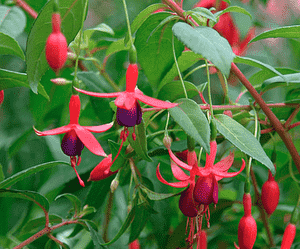
Fuchsia, a resilient plant, is most effectively multiplied in the fall and winter seasons utilizing techniques like stem sections and ground layering. The emergence of fresh shoots and foliage signifies successful establishment. Perseverance and a continuously damp substrate are essential for effective propagation.
Optimal Time for Hardy Fuchsia Propagation
Propagation Method
Cutting
Propagation Period
Autumn,Winter
Tools for Hardy Fuchsia Propagation
Sharp pruning shears
These are utilized for taking cuttings from hardy fuchsia. A keen pair of pruning shears guarantees a clean cut, minimizing harm to the parent plant and the cutting. Clean cuts help prevent infection and promote faster healing and root growth.
Rooting hormone powder or gel
Hardy fuchsia cuttings benefit from applying rooting hormones, which stimulate root development and enhance successful propagation. The hormone acts on the cut area, encouraging the cutting to form roots more rapidly than it would naturally.
Sterile potting mix
A sterile potting mix offers a disease-free environment for hardy fuchsia cuttings to establish roots. This is vital for the cutting's health, as fungi and other pathogens can quickly kill a new plant if introduced.
Propagation trays or small pots
Small pots or propagation trays are essential for housing each hardy fuchsia cutting until a robust root system develops. They allow for easy monitoring of root progress and provide ample space for initial growth.
Plastic dome or clear plastic bags
A plastic dome or clear plastic bags can be employed to create a mini-greenhouse effect around the hardy fuchsia cuttings. This maintains high humidity, crucial for preventing the cuttings from drying out before they can root.
Heat mat (optional)
While hardy fuchsia is known as 'Hardy fuchsia', a heat mat could be advantageous in cooler growing conditions to maintain an ideal temperature for root development. This is especially important when propagating during colder months or in regions with cooler climates.
Watering can with a gentle spray
A watering can with a gentle spray is used to irrigate the hardy fuchsia cuttings without dislodging them from the rooting medium. Gentle watering is critical to keep the soil moist but not saturated, as excessive moisture can lead to rot.
Caring for Newly Propagated Hardy Fuchsia
Caring for Newly Propagated Hardy Fuchsia
Once hardy fuchsia cuttings have rooted, gradually introduce them to standard growing conditions by lowering the surrounding humidity. Keep the soil damp but not waterlogged, and provide bright, indirect light. After establishment, harden off the plants by slowly exposing them to outdoor conditions over a week before planting them in their permanent spot. Hardy fuchsia thrives in fertile, well-draining soil and prefers a sheltered location protected from cold, drying winds. Regular watering during dry periods and a balanced fertilizer during the growing season will support healthy growth and abundant blooms.
Common Errors to Avoid When Propagating Hardy Fuchsia
Overwatering cuttings
Maintaining overly moist soil when propagating hardy fuchsia cuttings can lead to rot, potentially destroying young plants before they can properly root.
Using unsterilized tools
Propagating hardy fuchsia with unclean equipment can introduce pathogens, hindering the cutting's ability to heal and grow, possibly resulting in disease and decay.
Cutting the wrong stem part
Attempting to propagate hardy fuchsia from non-viable sections of the plant can result in failure, as not all stem parts contain the necessary growth nodes for rooting.
Inadequate light conditions
Providing too much or too little light can stress hardy fuchsia cuttings, impeding rooting and growth. The correct balance is vital for healthy development.
Tips For Propagating Hardy Fuchsia
Use a sharp, clean cutting tool
To minimize damage and prevent disease, it's essential to use a sterilized, sharp cutting tool when taking cuttings from hardy fuchsia.
Select healthy, mature stems
Choosing robust and mature stems for cuttings ensures a higher success rate, as these segments are more likely to possess the necessary growth nodes.
Maintain moderate moisture
Keeping the soil of hardy fuchsia cuttings moderately moist, but not saturated, supports root development without the risk of rot.
Provide dappled light
Ensuring hardy fuchsia cuttings receive bright but indirect light creates an ideal environment for rooting and initial growth, avoiding the stress of direct sunlight.



